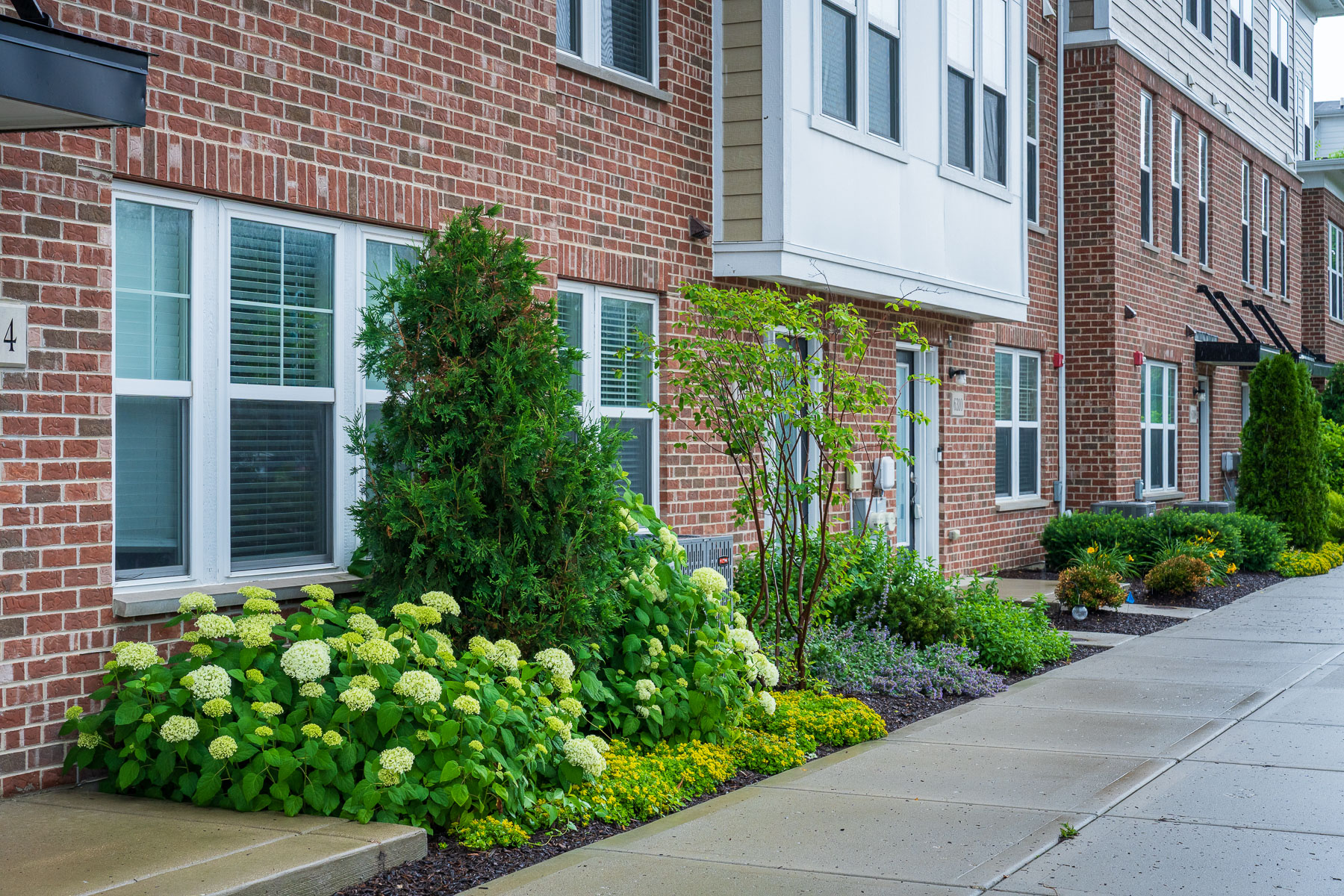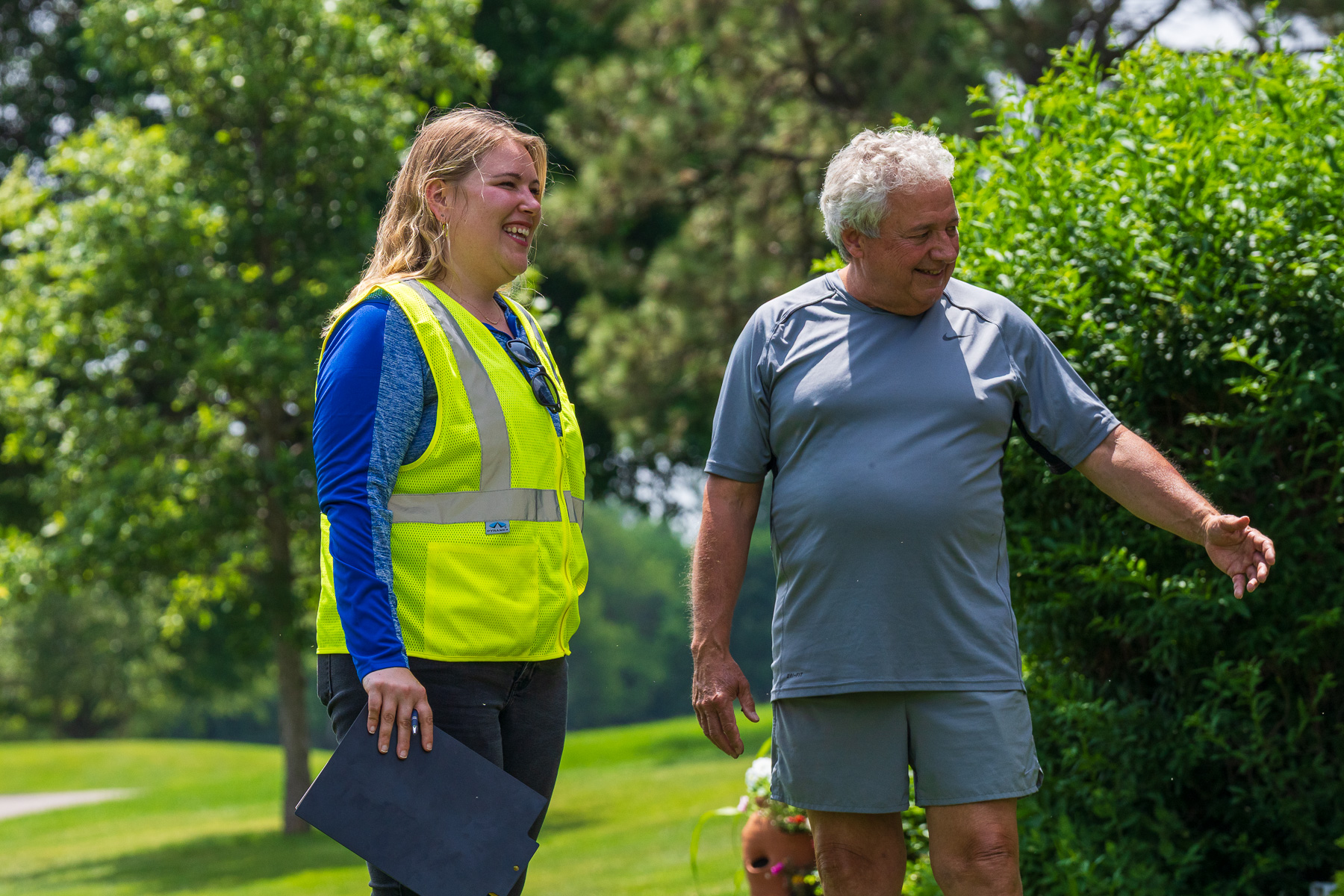

When residents think about where they live, the landscaping doesn't tend to come to mind – until something looks off.
If everything is status quo, no one seems to pay any mind, but when something is wrong, it seems everyone notices.
Maybe the mulch around the entrance sign has washed away after another spring downpour. The shrubs by the clubhouse have become overgrown. The lawn near the playground is patchy. Even if they're small complaints, they suddenly become emails to the HOA board.
If you're a board member or community association manager, this probably sounds familiar.
You already know that landscaping is one of the most visible investments your community makes. Residents notice it every day, in some capacity, whether they're pulling into the neighborhood after work, walking the dog, or meeting neighbors at the clubhouse.
And, no, they may not notice every flower that's planted or all the things that you're getting right, but they certainly notice when something is neglected or missing.
The challenge here is that great HOA landscaping isn't something you can focus on only in the spring or summer when it has a chance to shine.
In Chicagoland, every season brings new maintenance priorities, and waiting until something becomes obvious often means you're already playing catch-up.
The good news is that it's totally avoidable.
In this blog, we'll walk you through the essential HOA landscape maintenance tasks that deserve attention throughout the year, helping your community stay attractive, safe, and well-maintained (all while minimizing resident complaints before they start).
What's Inside This HOA Landscaping Guide
- Why HOA Landscaping Requires Year-Round Attention
- The Common Areas Residents Notice First
- Lawn Care for Shared Spaces
- Trees, Shrubs, and Plant Health
- Seasonal Landscape Maintenance Throughout the Year
- Why Proactive Communication Matters
- Frequently Asked Questions
HOA Landscaping: It's Never Seasonal, It's Year-Round
One of the biggest misconceptions about HOA landscaping is that it's only important once the weather warms up and the world starts to bloom again.
Sure, spring flowers and lush green lawns definitely grab attention, but maintaining a community landscape doesn't begin in April and then suddenly end after the last fall cleanup.
Every season presents opportunities to improve your property, manage issues, and keep everything status quo (or better). Without that kind of maintenance, small issues could easily snowball into larger, more expensive ones when everything thaws out in the Spring.
Do us a favor – think about Chicagoland for a minute, season by season.
- Spring arrives: You get muddy turf, washed-out mulch beds, and plants waking up after months of snow and freezing temperatures.
- Summer brings rapid growth, irrigation concerns, and weeds that seem to appear overnight.
- Fall means leaves, pruning, and preparing landscapes for winter
- Winter itself introduces snow, ice, road salt, and the potential for damaged trees and shrubs.
See how each season builds on the last? Skipping maintenance today often creates bigger problems tomorrow – and on a greater scale when we're talking seasonally.
So, yes – HOA landscape maintenance should be a year-round investment. That's why the best HOA landscape maintenance plans focus on consistency instead of reacting only when residents start noticing problems.
Where to Begin: Start with the Areas Residents See Every Day
Not every part of your community receives the same amount of attention.
Residents may never notice a small drainage section tucked behind a building, but they'll absolutely notice an overgrown entrance or neglected clubhouse landscaping.
Of course, we'll always tell you it's the best move to invest wherever you can. But when budgets are limited, it's helpful to prioritize the tenant-facing spaces that shape first impressions.
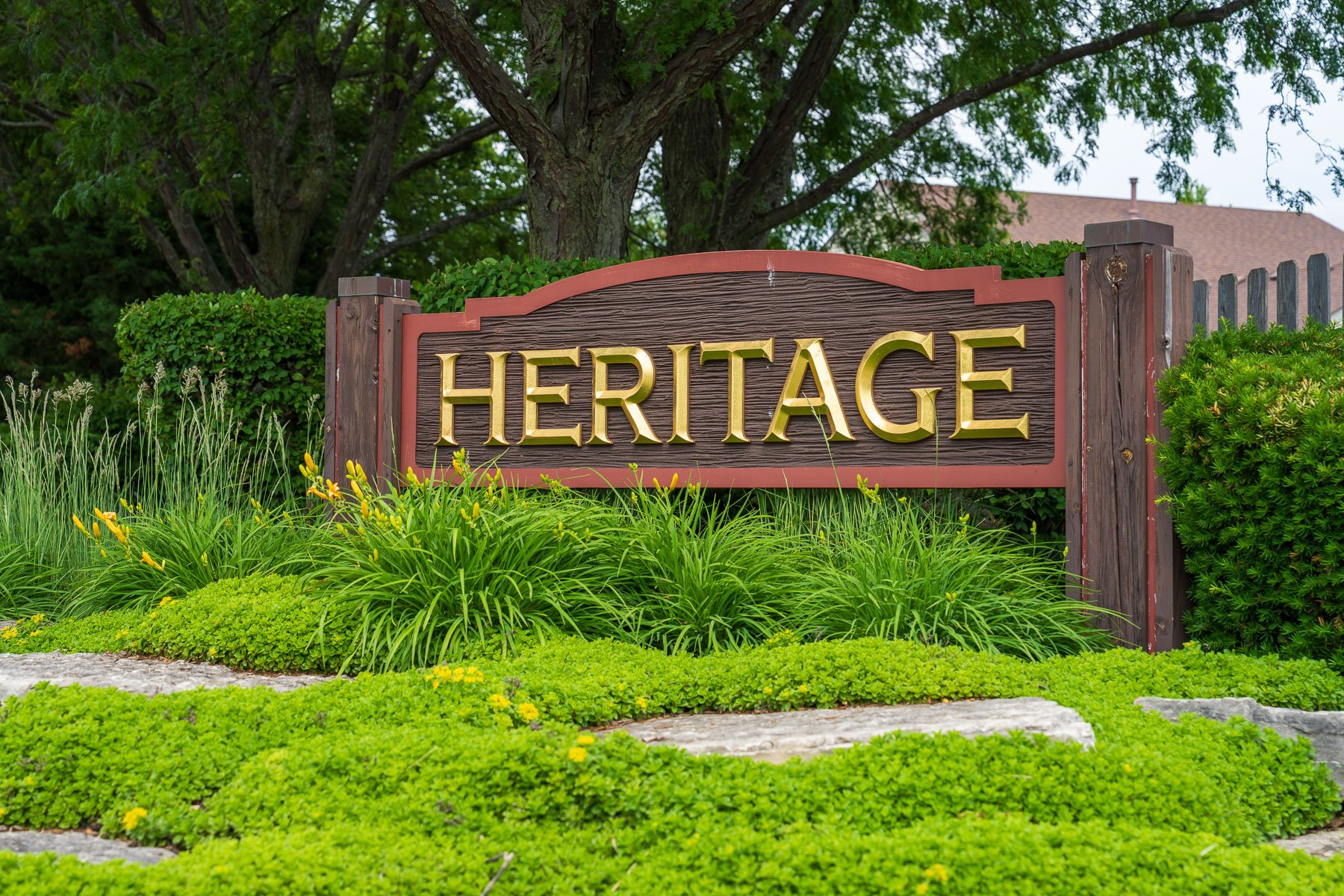
Community Entrances & Monument Signs
Ask yourself this: What's the very first thing residents and visitors see when they enter your neighborhood? For most communities, it's the entrance landscaping.
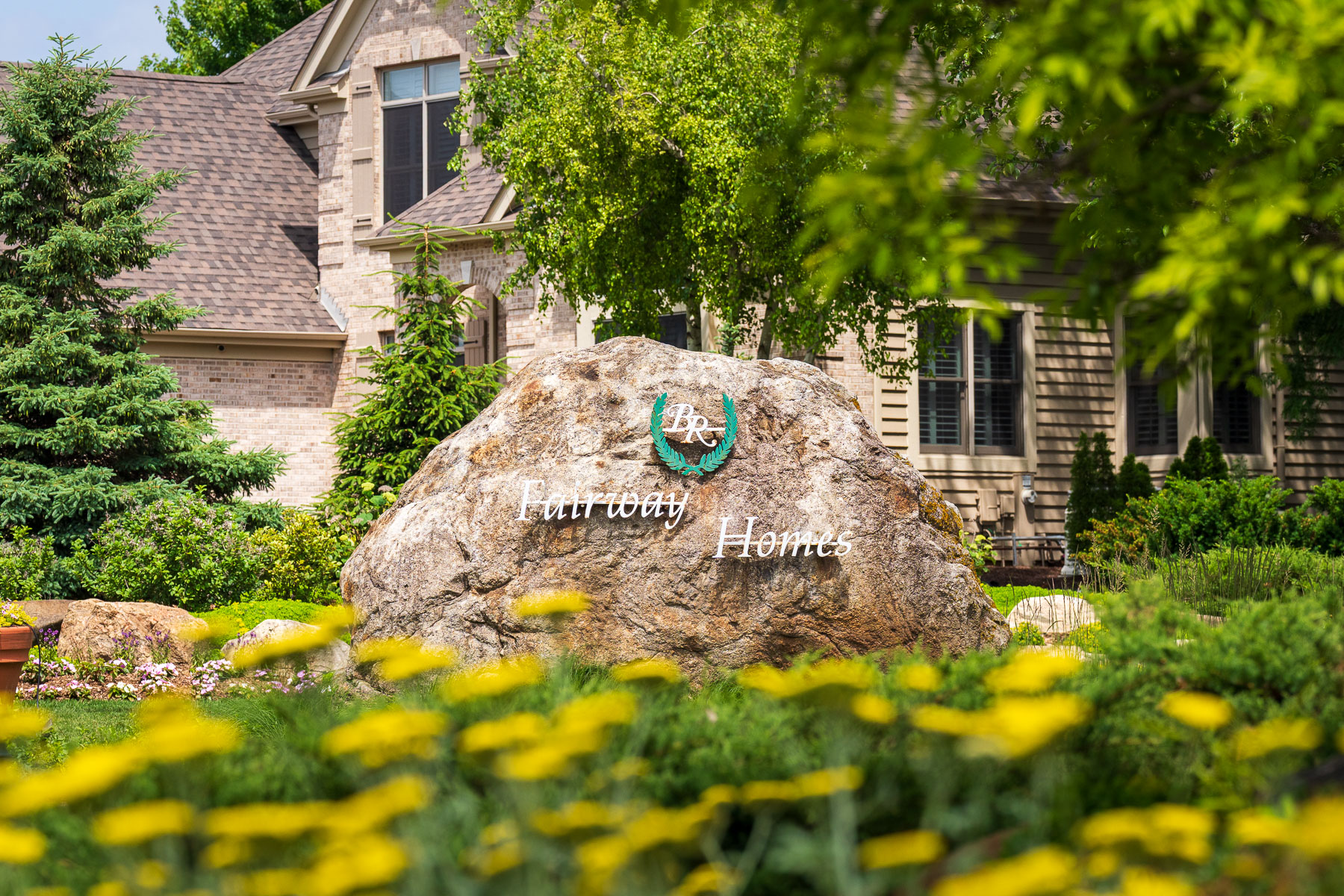
Monument signs, seasonal flowers, ornamental grasses, shrubs, lighting, and fresh mulch all work together to create a welcoming first impression. The downside is that these areas also tend to show neglect the fastest.
Faded annuals, weeds creeping through mulch, overgrown shrubs, or dead plants can make an otherwise beautiful community feel poorly maintained.
Regular attention to these highly visible areas can establish pride throughout the neighborhood while reassuring residents that the community is being cared for.
Clubhouses & Amenity Spaces
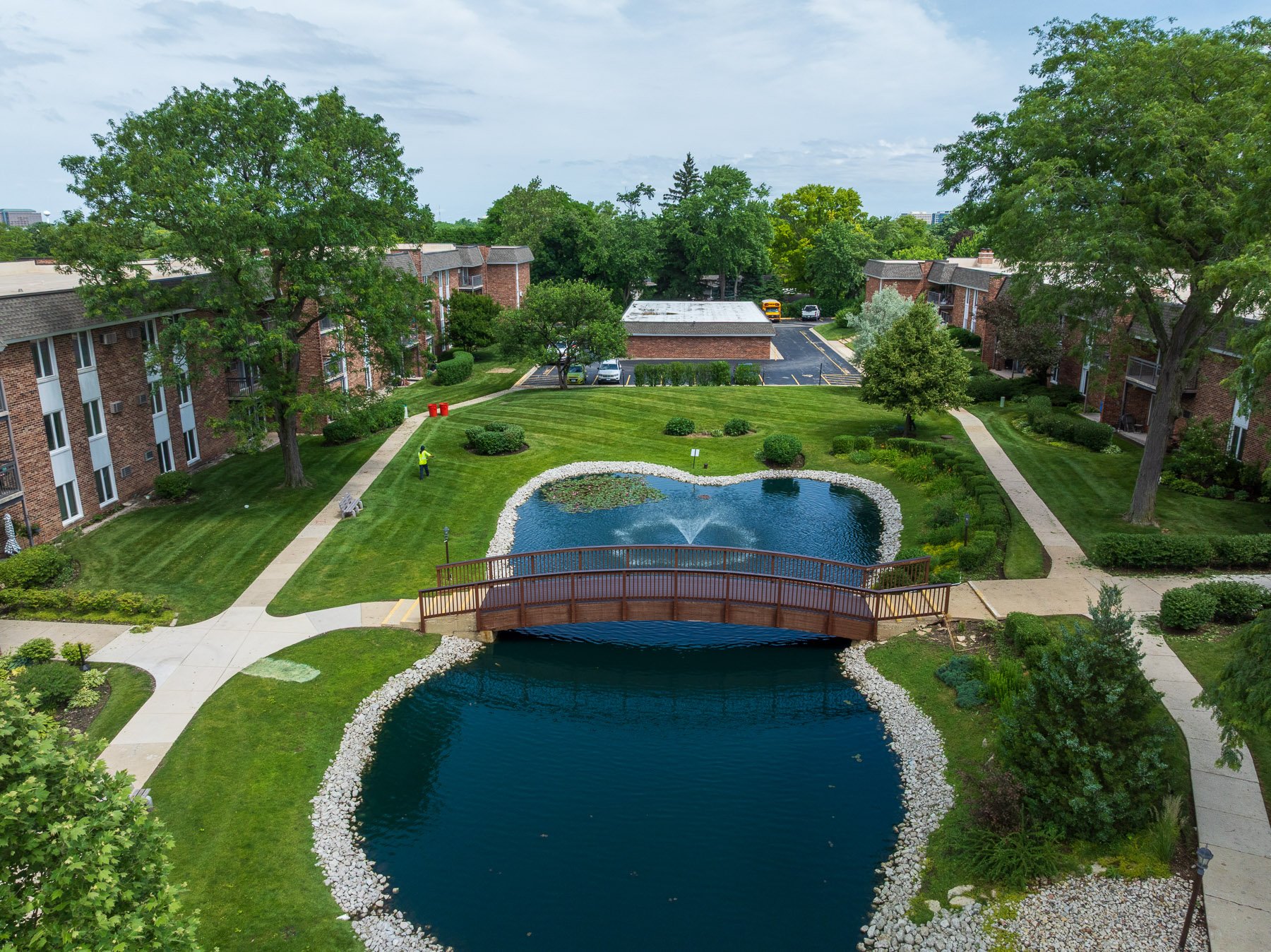
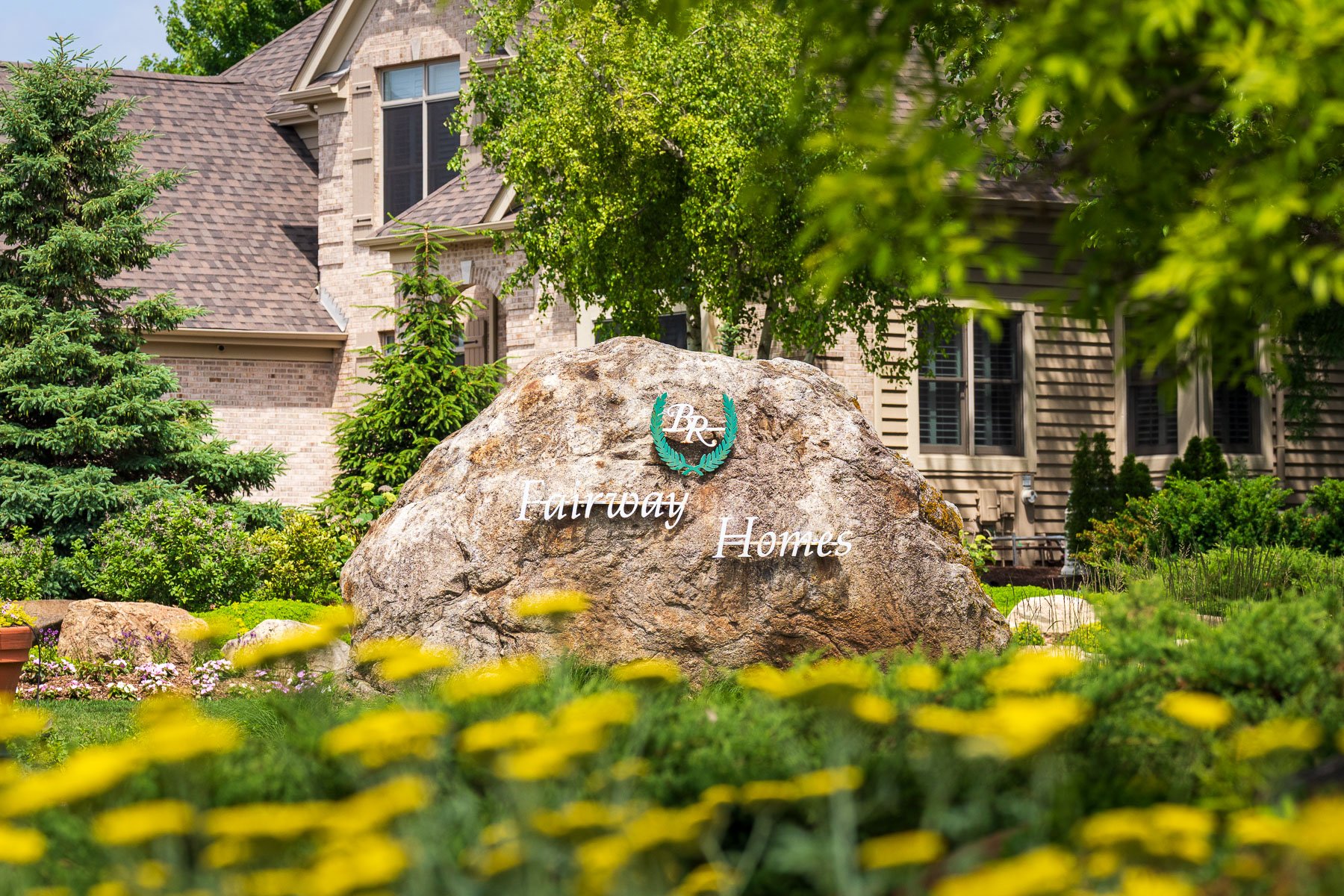
Think about the areas where most of your residents spend their time when the weather is nice (and even when it's not). Clubhouses, pools, fitness centers, playgrounds, pickleball courts, and outdoor gathering spaces often become the heart of an HOA during the warmer months.
These are places where residents actively spend time, which means landscaping choices should do more than look good; they should also support safety and increase the functionality of that space.
Every area is going to have a different set of needs, but typically, routine maintenance should include:
- Keeping sidewalks clear of encroaching vegetation
- Pruning shrubs around entrances
- Monitoring irrigation around high-traffic areas
- Maintaining healthy turf where residents gather
- Cleaning planting beds and refreshing mulch as needed
When spaces like these are consistently maintained, they become places residents enjoy using instead of areas they complain about.
Walking Paths & Sidewalks
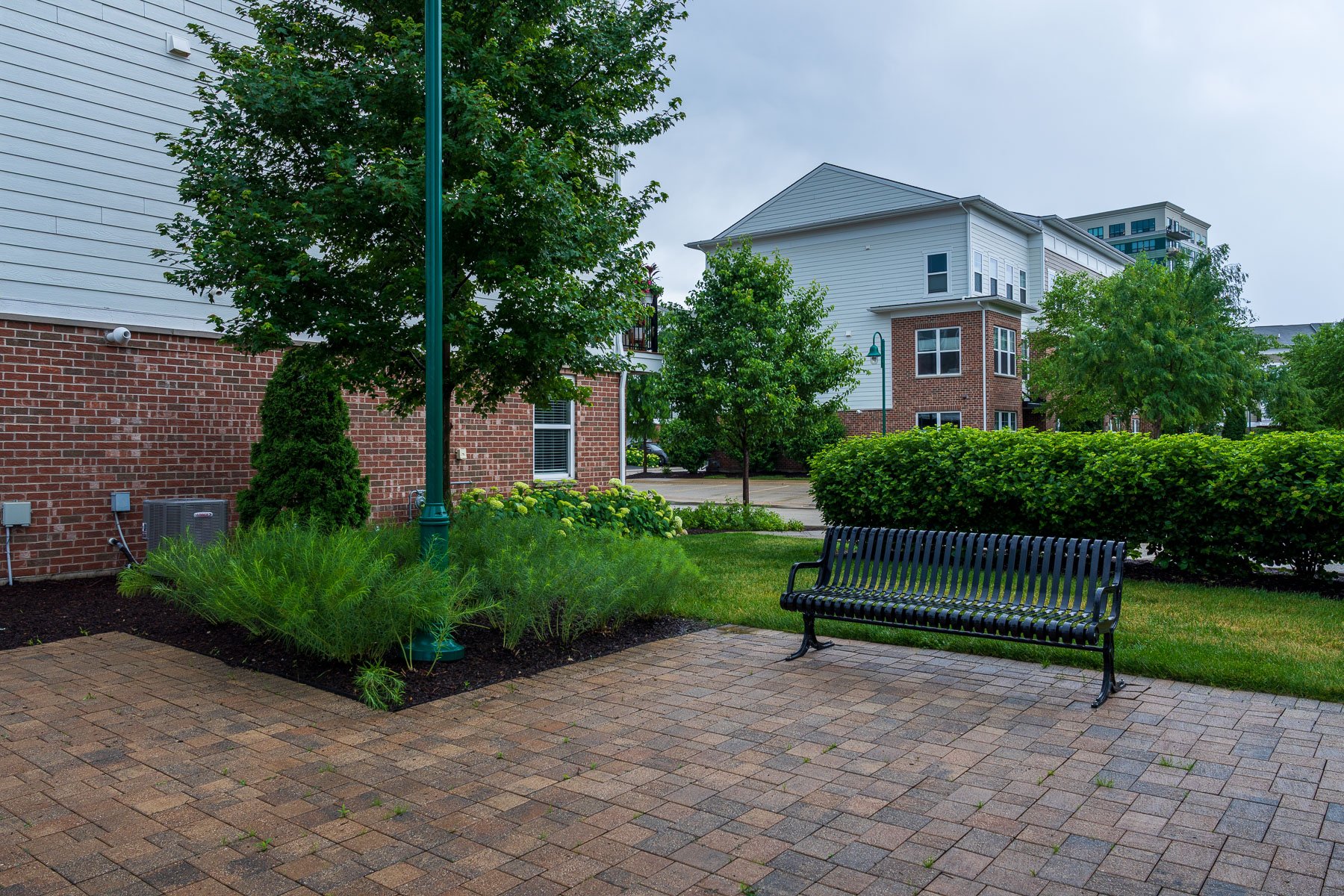
These areas are used frequently by residents. Walking trails and sidewalks are another area where deferred maintenance quickly becomes noticeable.
Low-hanging branches, shrubs growing into pathways, uneven turf edges, or weeds pushing through cracks will definitely affect curb appeal, but more seriously, they create safety concerns.
This is especially true after harsh winters or heavy spring storms. After events like that, these areas need regular inspections to identify issues and solve them before they become larger problems.
The Truth: Shared Lawns Need More Than Weekly Mowing
When most people think about HOA landscaping – actually, landscaping in general – lawn mowing is usually the first thing that comes to mind.
Mowing is important, but it's only one piece of keeping common areas healthy and beautiful.
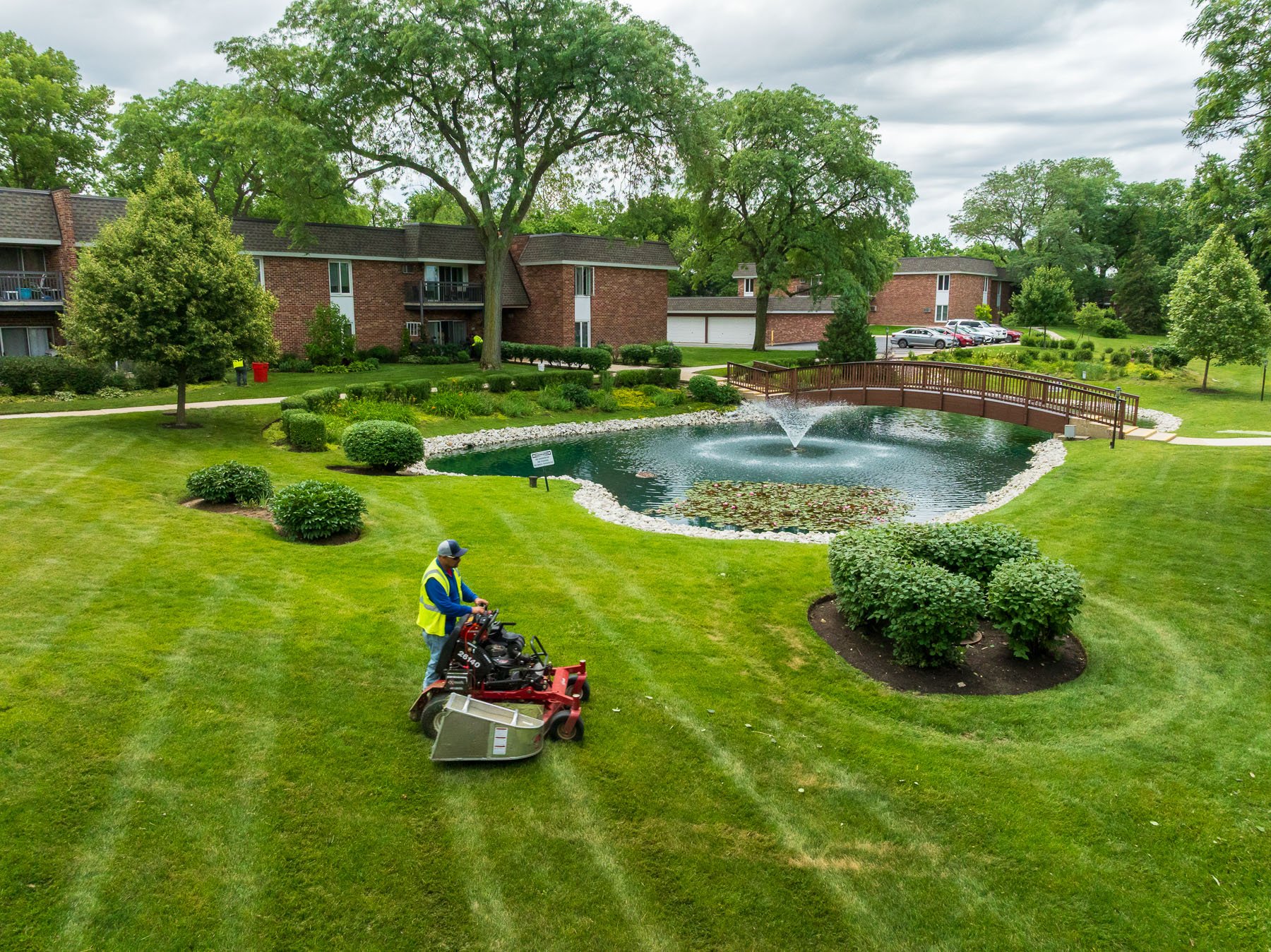
Shared green spaces experience constant wear from foot traffic, pets, neighborhood events, and rapidly changing weather conditions.
Sure, cutting the grass weekly is helpful, but cutting the grass weekly isn't enough to keep those areas looking their best.
A proactive lawn care program should also include services and thoughtful elements like:
- Seasonal fertilization
- Weed prevention and control
- Core aeration
- Overseeding where needed
- Irrigation monitoring
- Repairing bare or damaged areas
And, as usual, this is especially important in Chicagoland, where freeze-thaw cycles, spring rains, and summer heat can all take a toll on turf throughout the growing season. In other words, consistent attention throughout the year is majorly important.
Remember that Trees & Shrubs Are Long-Term Investments
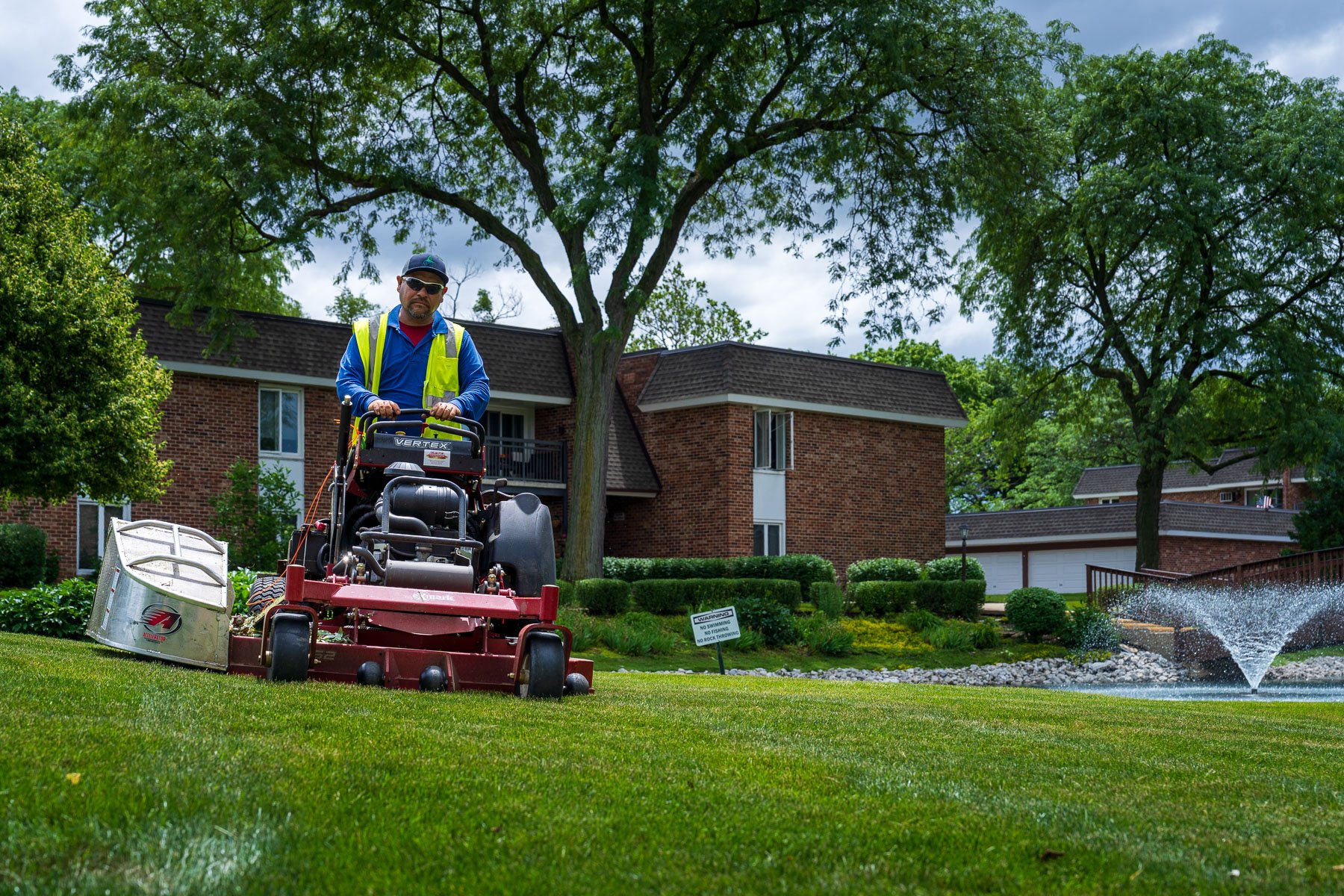
When we're talking about year-round maintenance, one of the most important elements to consider is your trees – both young saplings and mature, established ones.
In our area, mature trees are one of the biggest assets our Chicagoland communities have. Established oaks, maples, and evergreens provide shade, improve curb appeal, and contribute to property values.
The problem is, without regular care, they can also become one of the biggest maintenance concerns.
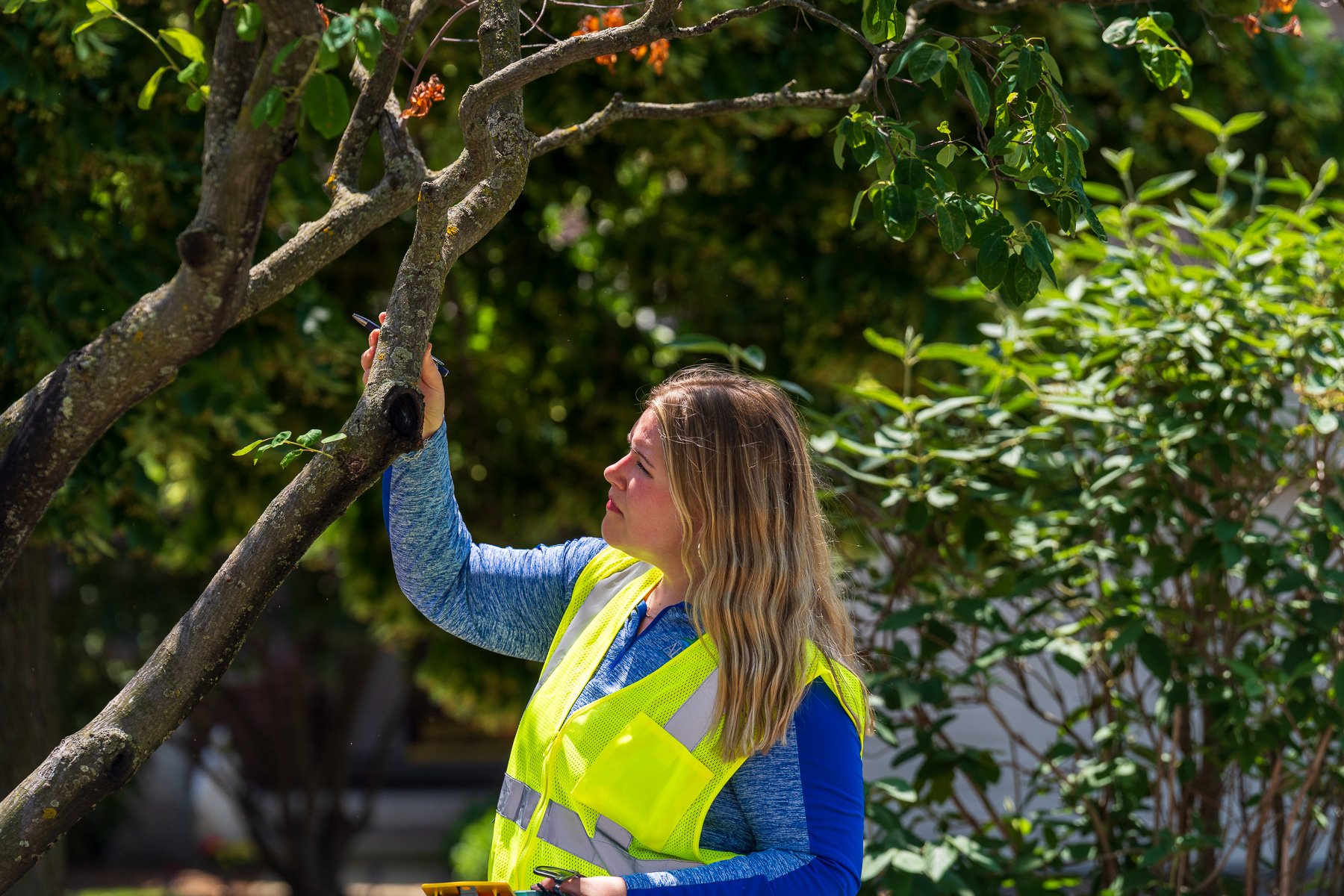
Trees and shrubs desperately need to be monitored throughout the year for:
- Dead or damaged branches
- Disease or insect activity
- Storm damage
- Overgrowth affecting sidewalks or lighting
- Structural pruning needs
- Plant health concerns
Waiting until a branch falls after a storm or a shrub has completely outgrown its space often leads to higher costs for maintenance and problem-solving (and unnecessary disruption to your community, too).
With trees, especially, preventative care protects both your landscape investment and your residents.
Why Year-Round Maintenance? Every Season Has a New Landscaping To-Do List
One of the easiest ways for HOA landscaping to get behind is by considering the landscape maintenance as one big project, as opposed to a year-round process.
Each season in Chicagoland comes with its own priorities – staying ahead of those seasonal transitions helps your community maintain a polished appearance while preventing small issues from becoming costly repairs. Staying ahead in one season automatically sets you up for success for the next, but the flipside is true, too.
Spring: The Reset After Winter
After months of snow, ice, and freezing temperatures, spring is all about assessing the landscape for damage and issues, then getting it ready for the growing season.
Every property is different, but typical spring services include:
- Cleaning up leaves, branches, and winter debris
- Refreshing mulch beds
- Inspecting for winter damage
- Pruning damaged trees and shrubs
- Fertilization and weed prevention
- Irrigation startup and system checks
Spring is also the perfect time to identify plants that didn't make it through the winter and develop a plan for replacements before the growing season is in full swing.
Summer: Time to Protect What You've Built
Summer maintenance goes well beyond keeping the grass cut.
As temperatures rise, landscapes require consistent monitoring to stay healthy and thriving. Irrigation systems should be adjusted as weather conditions change, seasonal flowers need regular attention, and weeds can spread quickly if left unchecked.
Routine site inspections during the summer also help identify drainage concerns, pest issues, or plant stress before they become noticeable to residents.
Fall: Prepare for What's Ahead
Fall is one of the busiest (and also one of the most overlooked) times of the year for HOA landscaping.
Leaves need to be managed before they do their worst (smother turf), perennials should be cut back to an appropriate length, and trees should be inspected long before winter storms arrive.
It's also an ideal time to evaluate the landscape as a whole. Your landscaping partner should ask, answer, and solve problems along the lines of:
- Are there shrubs that have outgrown their space?
- Areas that struggled all summer?
- Drainage problems that should be addressed before spring?
When you plan now, you usually get fewer surprises the next year.
Winter: The Landscaping Doesn't Stop
Sure, plants go dormant and the snow packs in, but that doesn't mean your landscaping partner should disappear until spring peeks its head out.
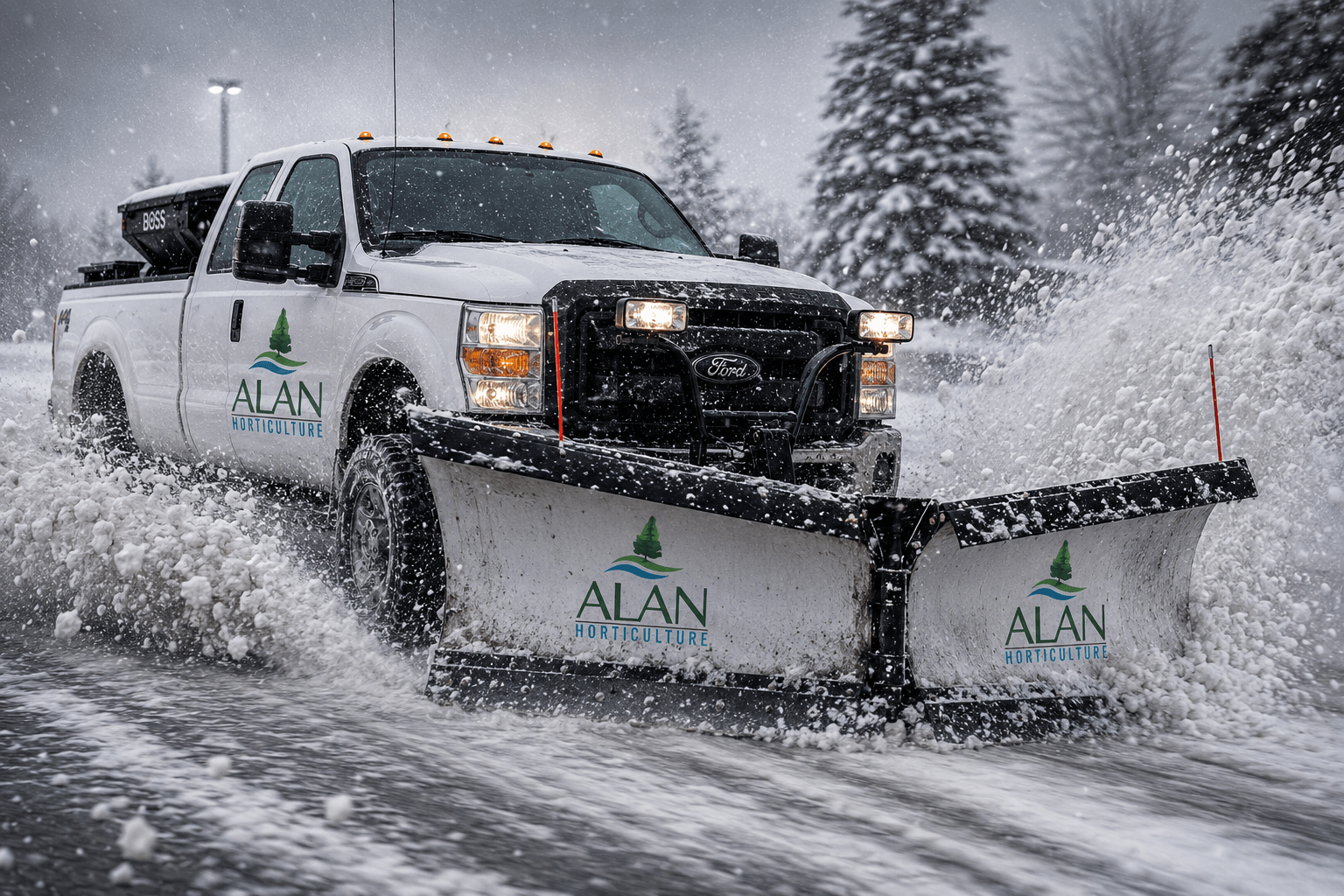
Winter is when snow and ice management become critical. Safe sidewalks, parking lots, entrances, and community gathering spaces all require prompt attention during winter weather events.
It's also a good opportunity to plan for upcoming enhancements, budget for improvements, and prepare for spring before the busy season begins.
A proactive landscaping partner won't just react to the weather when you need something; if they're worth their salt, they're already planning for what's next.
Your HOA Landscape Communication Matters as Much as Maintenance
Here's something many HOA board members and property managers eventually realize about landscaping – the issue isn't usually about the landscaping itself.
More often than not, things get frustrating with a landscaping partner because the communication completely drops off (or at least gets worse).
Maybe a shrub needs replacing, or a heavy rain delayed mowing, or an irrigation repair is scheduled for next week – but unless that's adequately communicated with ample time, solving those problems could create more problems.
Most residents are likely to be understanding when they know what's happening in their community.
Typically, problems often arise when expectations aren't managed, and board members are left answering questions that they don't really have the answers to.
That's why communication should be part of your landscaping service. It's important to look for an HOA landscaping partner that provides:
- Regular property inspections
- Seasonal recommendations
- Clear communication about weather delays
- Proactive planning before each season
- Budget-conscious improvement recommendations
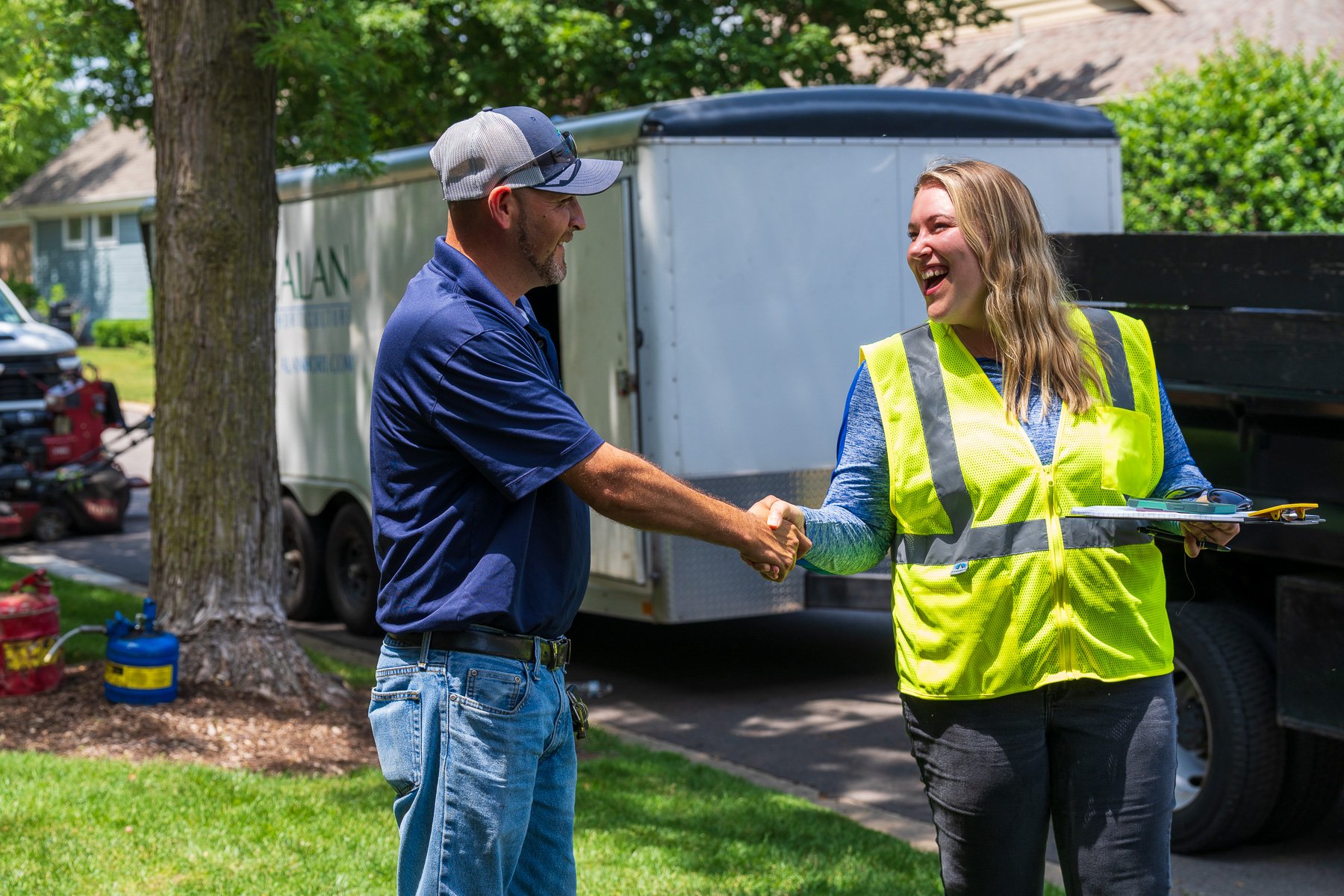
- A dedicated point of contact who knows your community
When everyone stays informed, board members spend less time responding to complaints and more time focusing on the long-term success of the community.
Frequently Asked Questions: HOA Landscape Maintenance
What is included in an HOA landscaping maintenance checklist?
Remember, every community is different, and they'll each have different goals, needs, and challenges. But, in our area, most HOA landscape maintenance plans include mowing, edging, fertilization, weed control, shrub pruning, mulch maintenance, seasonal flower care, irrigation management, tree inspections, leaf removal, and seasonal cleanups. Above all, it should include whatever it takes to get ahead for whatever season comes next.
Why is year-round landscaping important for HOAs?
Landscapes change with every season. With consistent maintenance, you can prevent larger issues, protect property values, improve curb appeal, and reduce resident complaints throughout the year.
What common areas should HOAs prioritize?
It helps to focus on the areas most residents notice or interact with the most. Entrances, monument signs, clubhouses, walking paths, playgrounds, pools, mail kiosks, parking lot islands, and other shared spaces should all receive regular attention since they're the areas residents see and use most often.
How often should HOA landscaping be performed?
Most communities benefit from weekly maintenance during the growing season, along with seasonal services such as spring cleanups, fall leaf removal, irrigation adjustments, and winter snow and ice management. Again, it totally depends on the community, their needs, and their goals for their space.
What's the difference between reactive and proactive landscape maintenance?
Reactive maintenance handles issues only after they've been reported. Proactive maintenance relies on regular inspections, seasonal planning, and preventative care to identify and resolve problems before they become noticeable. Proactive landscape maintenance should nip problems in the bud before anyone ever realizes they're a problem.
How does landscaping affect resident satisfaction?
It all depends on the environment, of course, but well-maintained landscaping creates a positive first impression, improves community pride, and demonstrates that the HOA is actively caring for shared spaces. Consistency also helps reduce complaints from residents.
Should HOA landscaping include tree care?
Absolutely! Trees are valuable assets, but they're also important investments. They require regular inspections, pruning, and plant health monitoring to prevent safety hazards, storm damage, and costly removals.
How do I choose the right HOA landscaping company?
Look for a commercial landscaping company with experience serving HOA communities, a proactive communication process, dedicated account management, and a proven track record of consistent maintenance. The right partner should make your role easier by identifying issues early, communicating clearly, and helping your community stay ahead of seasonal landscape needs.
Need HOA Landscaping Services in Chicagoland? We've Got You Covered
Managing an HOA means balancing budgets, resident expectations, and the overall appearance of your community. The right landscaping partner should help lighten that load and give you peace of mind.
We provide proactive HOA landscaping services in Chicagoland designed to keep common areas attractive, functional, and well-maintained through every season. From routine maintenance and landscape enhancements to irrigation, tree care, and snow and ice management, our team focuses on consistent communication, accountability, and proactive property care.
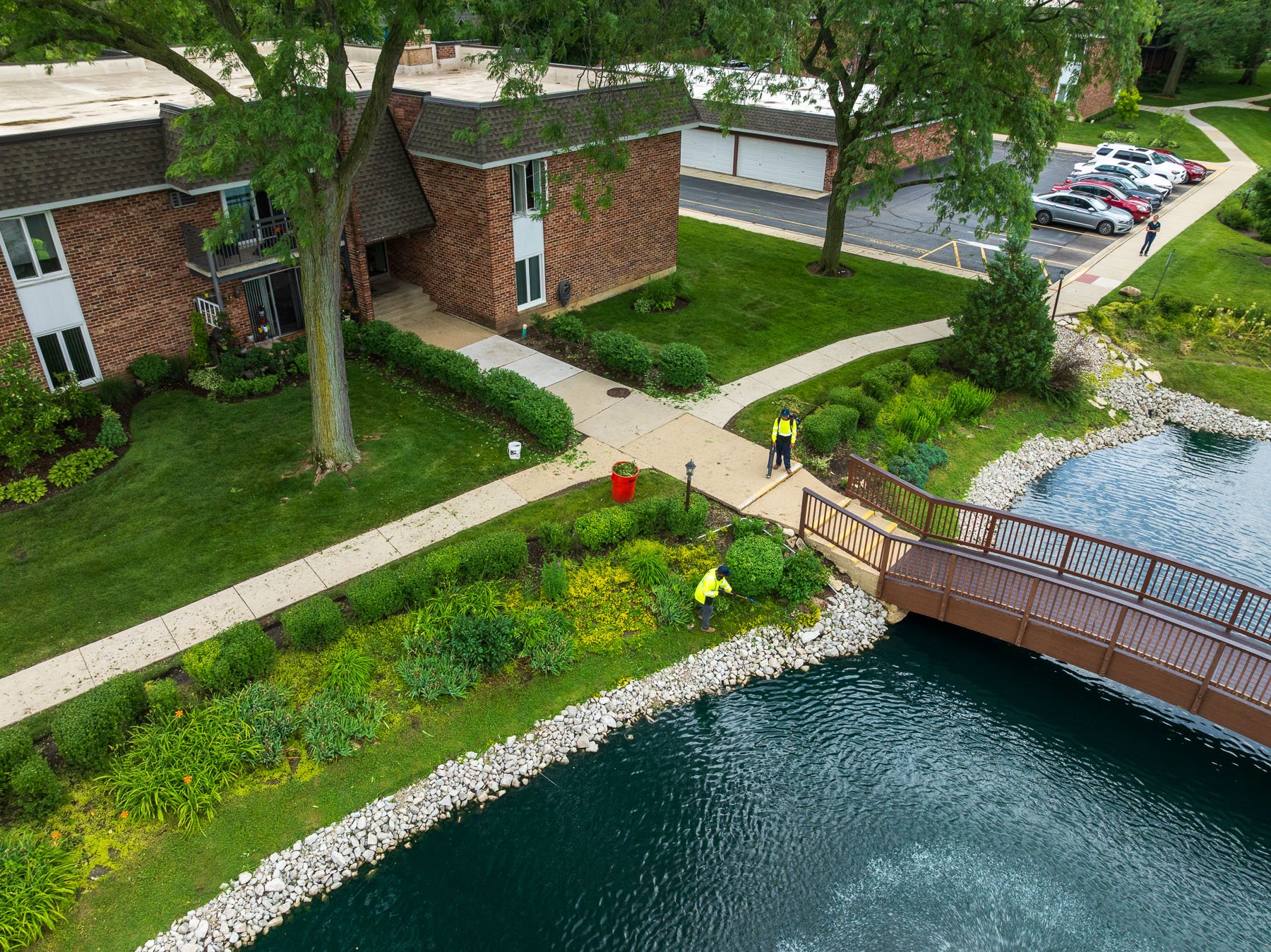
If you're looking for a commercial landscaping partner that helps your community stay ahead of problems, we'd love to talk about your property's goals.

Dan leads Alan Horticulture and Fisher Burton, two companies dedicated to delivering exceptional commercial landscape maintenance, construction, enhancements, and snow management throughout Illinois and Southern Wisconsin.
His passion is building great teams, creating operational systems that scale, and delivering an unmatched client experience. He believes that strong leadership, accountability, financial discipline, and attention to detail are the foundation of every successful organization.