
Go ahead, you can be honest – you're not excited about the prospect of reading landscaping contracts.
Don't feel bad, most people aren't filled with excited anticipation to read contracts, so you're not alone.
As a property manager, HOA board member, or facility manager, though, this is part of your job. Realistically, you're probably more interested in what happens after the landscaping contract is signed, right?
You want attractive landscaping, timely communication, and a property that stays clean, safe, and well-maintained without having to chase down your contractor every week.
Here's the thing: many landscaping frustrations don't start in the field, after everything has been signed.
They start long before, on paper – in that dreaded landscaping contract.
A landscaping contract can be a major hit or a swing-and-a-miss.
A vague contract can lead to missed expectations, surprise charges, inconsistent service, and the dreaded "that's not included in your service" conversation.
On the flipside, a well-written commercial landscaping agreement establishes clear expectations from day one and creates a stronger partnership between you and your landscaping provider.
That's why landscaping contracts are so important (even if they're not terribly exciting)
Whether you're reviewing proposals for the first time or considering a change after a frustrating experience, this blog will lay out the commercial landscaping contract essentials every property manager should understand before signing on the dotted line.
What's Inside This Commercial Landscaping Contract Guide
- Why Commercial Landscaping Contracts Matter
- Clearly Defined Scope of Work
- Service Frequency & Seasonal Scheduling
- Communication Expectations
- Landscape Enhancements & Additional Services
- Snow & Ice Management
- Change Orders & Unexpected Work
- Insurance, Safety & Liability
- Choosing a Landscaping Partner, Not Just a Contractor
- Frequently Asked Questions
Landscaping Contracts: A Good Contract Protects Everyone
First things first, a landscaping contract (a good one, especially) is one of the best safeguards you can have.
Think of your landscaping contract as more than a pricing document – it's like a roadmap for your entire working relationship with your landscape partner.
A strong contract should…
- Answer questions before they ever become problems
- Outline responsibilities and define expectations
- Explain how communication works
- Clearly state what services are (and aren't) included
Without that kind of detailed transparency and clarity, misunderstandings between you and your landscaping partner become much more likely.
This is especially important for commercial properties throughout Chicagoland (like yours), where seasonal changes, unpredictable weather, and evolving landscape needs require flexibility and proactive planning. If they're not in your contract from the start, you could be left in the dust, wondering when (or if) your landscaper will deal with issues.
Here's the general rule of landscape contracts: the clearer your agreement is upfront, the smoother the partnership tends to be throughout the year.
Every Contract Should Clearly Define the Scope of Work
Scope of work – this is arguably the most important section of any landscape maintenance agreement.
Let's get one thing straight right away: If your contract simply says "landscape maintenance," that's a red flag to run screaming from.
Instead of a vague "landscape maintenance" promise, it should clearly outline exactly what services you'll receive and how often they'll be performed.
It all depends on your property, your goals, and your challenges, but that's likely to include things like:
- Lawn mowing and edging
- Bed maintenance
- Weed control
- Shrub pruning
- Mulch installation
- Seasonal flower rotations
- Irrigation monitoring
- Tree care
- Leaf removal
- Spring and fall cleanups
Remember, the more specific the contract, the fewer opportunities there are for misunderstandings later on. If you're unsure whether something is included, ask before signing the contract so you don't have to be caught off guard later.
Service Frequency Should Never Be a Mystery
One of the most common frustrations property managers experience is assuming something will happen more often than it actually does happen.
That's why every commercial landscaping contract should outline service frequency in clear and agreed-upon terms – so you know exactly what you're signing on for and won't feel misled later.
This could include frequency like:
- Weekly mowing during the growing season
- Spring cleanup dates
- Fall leaf removal schedule
- Shrub pruning frequency
- Seasonal flower installations
- Irrigation startup and winterization
- Site inspections
When you have these expectations documented, it helps everyone stay on the same page. You'll know what to expect, your partner will know that you know what to expect, and if everything functions smoothly, there should be no issues.
It also makes it much easier for you to evaluate whether services are being delivered consistently – it was mapped out ahead of time, so you have a go-to guide to help you determine what's what.
Communication Is a Fundamental Factor In Your Agreement
If communication isn't spelled out clearly in your contract, either make sure it gets spelled out before signing or work with another provider who will.
Here are some things many property managers wish they'd asked before signing a contract: How will we actually communicate, how often will we communicate, and who is my main point of contact?
Landscaping is one of the most visible services on any commercial property, and communication plays a huge role in keeping everyone informed.
Your agreement should clearly explain:
- Who is your primary point of contact
- Expected response times
- How service updates will be communicated
- What happens during weather delays
- How recommendations are presented
- Who to contact during emergencies
- Where to contact your representative
You shouldn't have to guess whether your contractor noticed an issue or spend time tracking someone down for an update. A proactive communication plan keeps projects moving and helps prevent resident or tenant concerns from escalating.

Don't Forget About Landscape Enhancements
Routine maintenance is only one part of managing a commercial property. Eventually, every landscape will need improvements beyond normal management.
Whether you're replacing declining shrubs, updating seasonal color, renovating entrance beds, or improving drainage, it's important to understand how enhancement work is handled with your provider.
Always ask questions like these from the start:
- Are enhancements included in the contract, or do we pay extra for them?
- How are recommendations presented?
- Will estimates be provided before work begins?
- Who approves additional work?
- How are projects scheduled?
- How far in advance do we need to plan for these projects?
Knowing the answers ahead of time makes budgeting much easier throughout the year and allows you to keep your tenants or residents aware of the schedule.
Irrigation Responsibilities Should Be Clearly Defined
Irrigation systems require regular and specific attention, especially after Chicagoland's long winters (where major damage could have been done).
Your contract should explain who is responsible for irrigation things, like:
- Spring startups
- Seasonal adjustments
- Monitoring system performance
- Minor repairs
- Reporting larger issues
- Winterization
Without regular monitoring, irrigation problems can go unnoticed – until lawns begin turning brown or planting beds show signs of stress, and you realize there's a problem.
A proactive approach protects both your landscape and your investment, but you need to make sure your landscaping partner is on the same page as you.
Snow & Ice Management Is Part of Maintenance
In Chicagoland, winter is one of the biggest operational challenges commercial properties face.
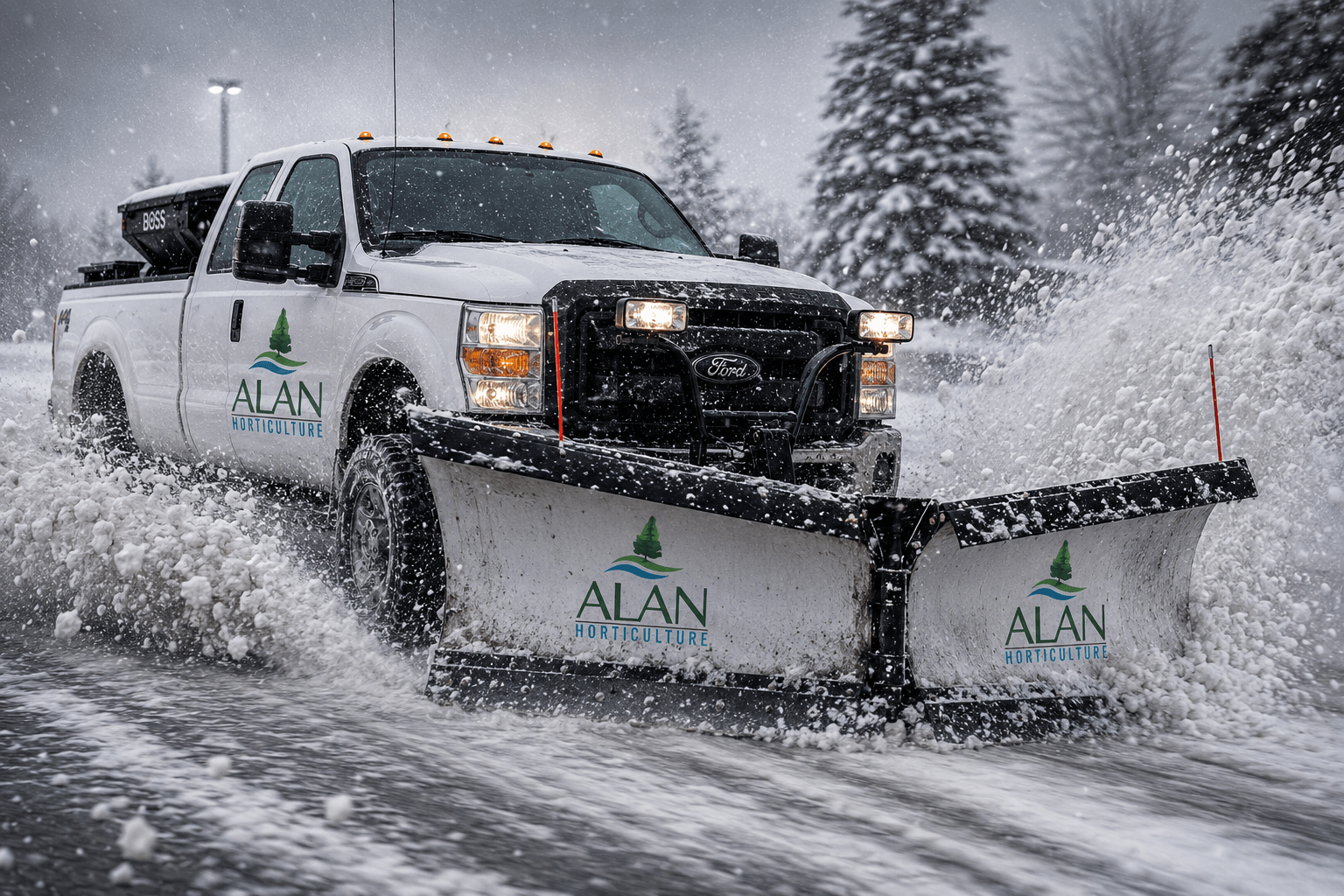
If your landscaping provider also handles snow and ice management, your contract should clearly explain how winter services will work before the first storm is in the forecast (and you find yourself out of luck).
Look for details and service explanation like:
- What weather conditions trigger service
- Which areas receive priority during snow events
- Snow plowing routes and schedules
- Sidewalk clearing responsibilities
- Ice melt or deicing applications
- Communication during major winter storms
- Follow-up visits after significant snowfall
This is especially important for HOAs, apartment communities, office campuses, and industrial facilities where safe access is about protecting residents, tenants, employees, and visitors.
The last thing you want to deal with is a looming snowstorm and no real plan in place for snow and ice management (especially when you're six inches deep into what's already fallen).
Clear Process for How Change Orders Are Handled
You could have the most detailed, specific landscaping contract in the world, and still, unexpected situations will come up.
A storm may damage several trees, or an irrigation line could need repair – you may even decide to install new plantings to revamp an entrance bed halfway through Spring.
Detailed contracts are wonderful, but can't account for everything – that's where change orders come in.
A good commercial landscaping contract should clearly explain:
- How additional work is identified
- Who prepares estimates
- Who approves extra work
- How pricing is communicated
- When will the work be completed
Clear change order procedures eliminate surprises and ensure everyone understands what's covered under the original agreement versus what's considered additional work.
That way, if something does pop up that you didn't account for, you have a clear process for how to handle it, and no one is shocked by the result.
Insurance, Safety & Liability Matter (A Lot) More Than You Think
It's easy to focus on pricing and scope of services, but make sure you never overlook the operational side of your landscaping partnership – and make sure it's all in the contract, too.
Commercial landscaping crews work around residents, tenants, employees, vehicles, and visitors every day. Your contractor should have the proper insurance coverage and safety procedures in place before work ever begins.
Does your contract mention this? If it doesn't, it should.
Always ask your providers whether they carry:
- General liability insurance
- Workers' compensation coverage
- Commercial vehicle insurance
- Proper licensing where applicable
Don't forget to talk through how they approach jobsite safety, equipment operation, and communication around potentially hazardous work.
Professional landscaping companies understand that protecting your property also means protecting the people who use it – and they'll have a plan in place for that.
Look Beyond the Price (But Consider the Price)
It's so easy to compare proposals and contracts line by line, and then choose the lowest number.
Sometimes that works out just fine, but other times (and most often) it leads to missed expectations, inconsistent service, and countless hours spent following up with your contractor.
Instead of asking, "Which proposal costs the least?" ask a different question: "Which company is setting us up for the strongest long-term partnership?"
The answer usually comes down to much more than price or your ideal budget.
We recommend stacking all your prospects up against these standards:
- Clearly defined expectations
- Transparent pricing
- Proactive communication
- Consistent property inspections
- Seasonal planning
- Accountability when issues arise
- Experience managing commercial properties similar to yours
A contract should never leave you wondering what happens when something unexpected comes up, and a good landscaping partner will never let that happen.
The Best Contracts Build the Best Partnerships
At the end of the day, a commercial landscaping contract is a stack of legal paperwork – but it doesn't have to feel that way.
When you consider the contract, think of it as a foundation for a successful working relationship.
When expectations are clearly defined, communication is consistent, and responsibilities are understood from the beginning, everyone profits in some way.
Property managers spend less time resolving misunderstandings, HOA boards feel more confident explaining landscaping decisions to residents, and facility managers know their property is being cared for by a team that takes ownership of its work.
Our Commercial Landscaping Contract FAQs
What should be included in a commercial landscaping contract?
A commercial landscaping contract should clearly define everything – the scope of work, service frequency, seasonal responsibilities, communication expectations, pricing, change order procedures, insurance requirements, and any additional services offered. The more detailed the agreement, the fewer misunderstandings you'll encounter later. In other words, the more you cover, the better off.
Why are detailed landscape maintenance agreements important?
Detailed agreements establish clear expectations for you and your landscape partner. They help prevent scope disputes, improve communication, reduce unexpected costs, and ensure everyone understands exactly what services will be provided throughout the year. It's the best foundation for a long-term working relationship.
Should snow and ice management be included in the same contract?
It all depends on what your landscape partner provides. Many commercial property owners prefer working with one provider for both landscape maintenance and snow and ice management. Doing so creates consistency throughout the year, simplifies communication, and reduces the need to coordinate multiple vendors.
What are change orders in a landscaping contract?
Change orders document work that falls outside the original agreement. They explain the additional services being requested, associated costs, required approvals, and when the work will be completed.
What questions should I ask before signing a commercial landscaping contract?
Make a list of questions that matter specifically to you – especially if you don't see the answers you want in the contract itself. But also, ask about service schedules, communication processes, property inspections, seasonal responsibilities, emergency response procedures, insurance coverage, change order policies, and who will serve as your primary point of contact.
How can I compare commercial landscaping proposals?
Our best advice: Look beyond the total price. Compare the scope of work, communication plans, service frequency, account management structure, included services, and each company's experience with commercial properties similar to yours.
What makes a commercial landscaping partnership successful?
The strongest partnerships are built on transparent and straightforward expectations, proactive communication, accountability, consistent service, and a shared commitment to protecting your property's long-term appearance and performance. Those qualities often matter just as much as the landscaping work itself.
Looking for a Long-Term Landscape Partner? Team Up With Us
A strong contract is great – but it's only truly valuable if it's backed by a team that follows through with pride and intention.
At Alan Horticulture, we believe every commercial landscaping partnership should begin with a set of straightforward expectations, open communication, and a shared commitment to proactive property care.
That's why our agreements are designed to provide transparency, establish accountability, and help eliminate surprises before work even begins.
If you're comparing providers or reviewing your current landscape maintenance agreement, we'd be happy to chat with you about your property, answer your questions, and help you determine whether Alan Horticulture is the right long-term landscaping partner for your team.
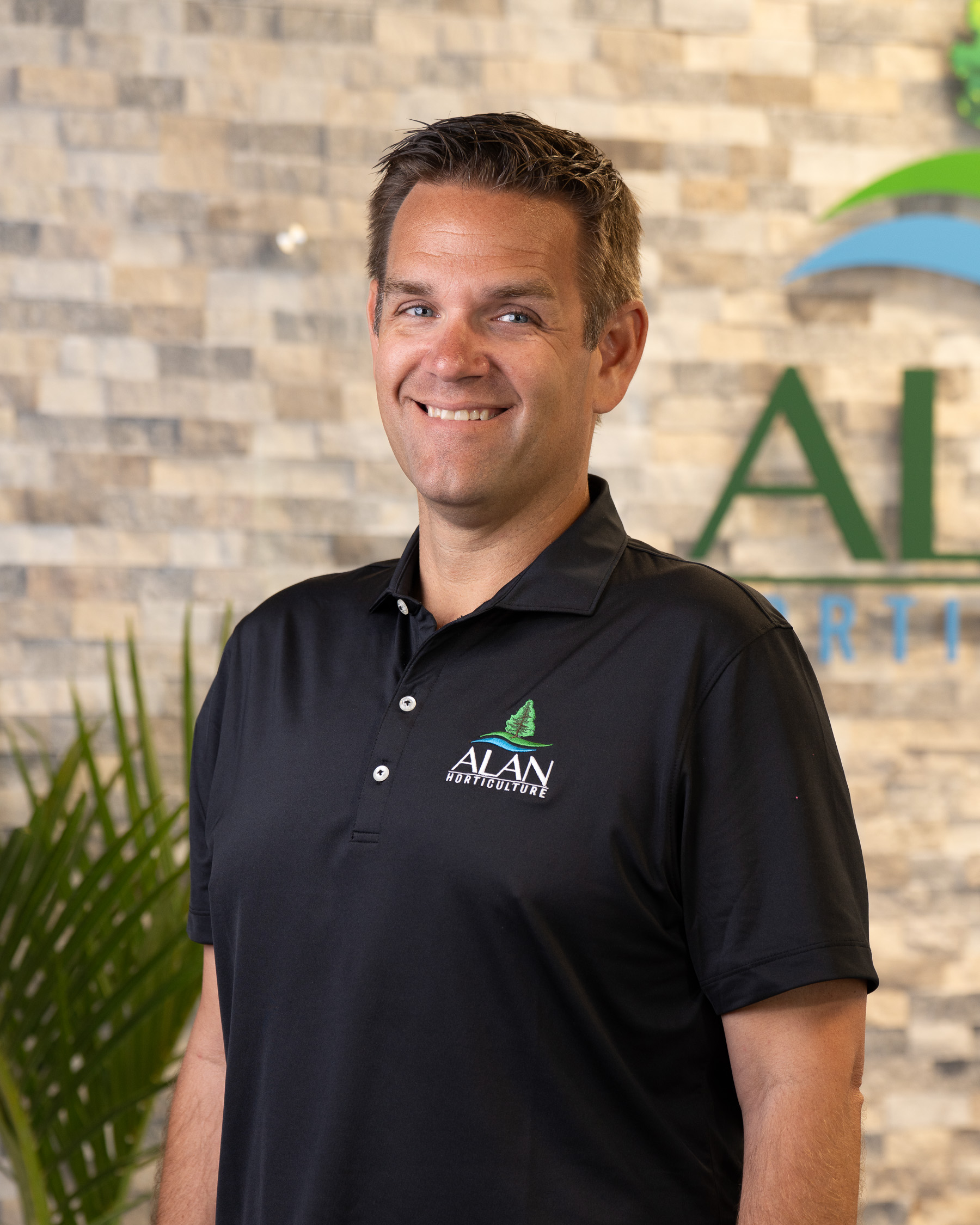
Dan leads Alan Horticulture and Fisher Burton, two companies dedicated to delivering exceptional commercial landscape maintenance, construction, enhancements, and snow management throughout Illinois and Southern Wisconsin.
His passion is building great teams, creating operational systems that scale, and delivering an unmatched client experience. He believes that strong leadership, accountability, financial discipline, and attention to detail are the foundation of every successful organization.