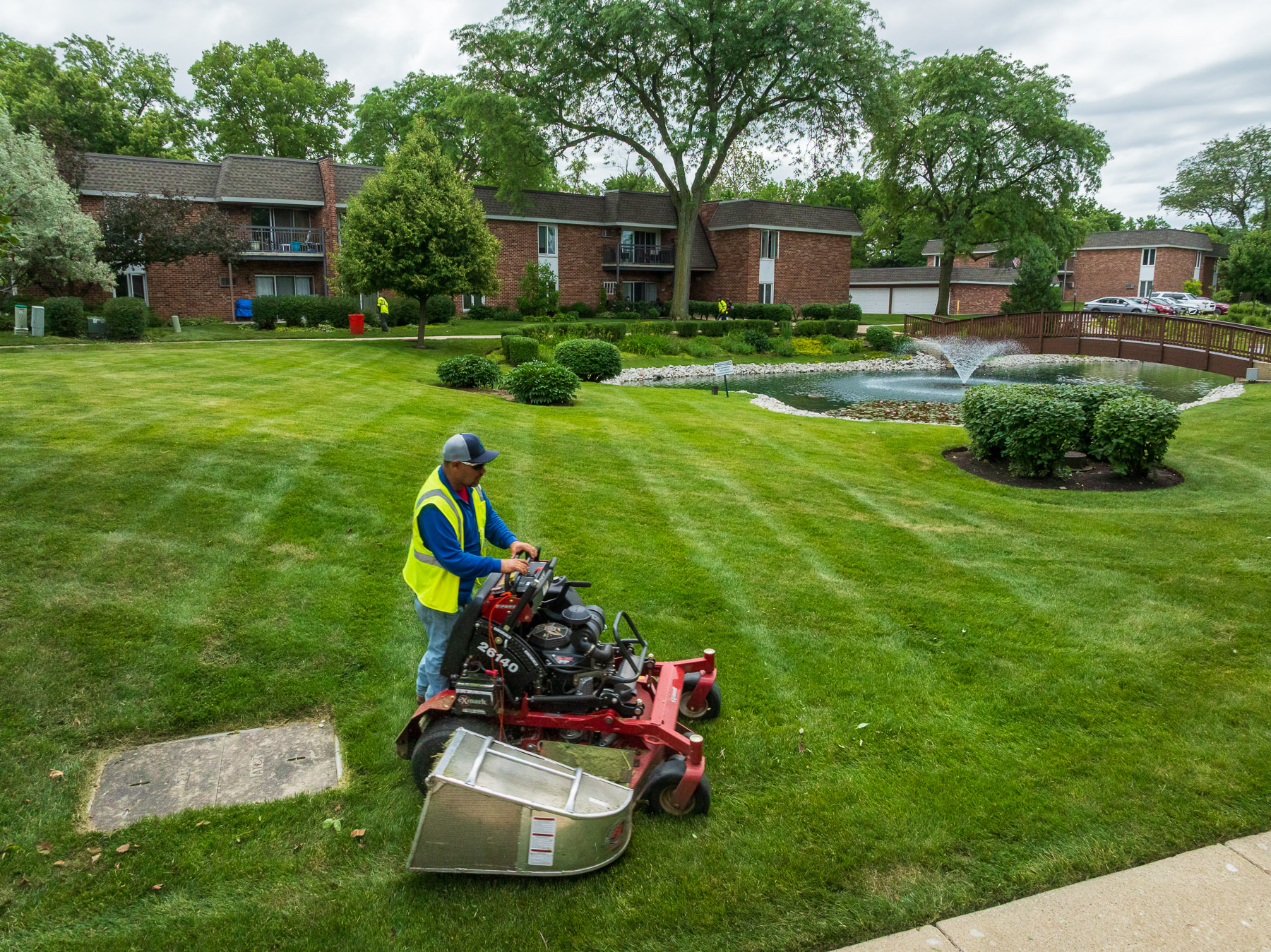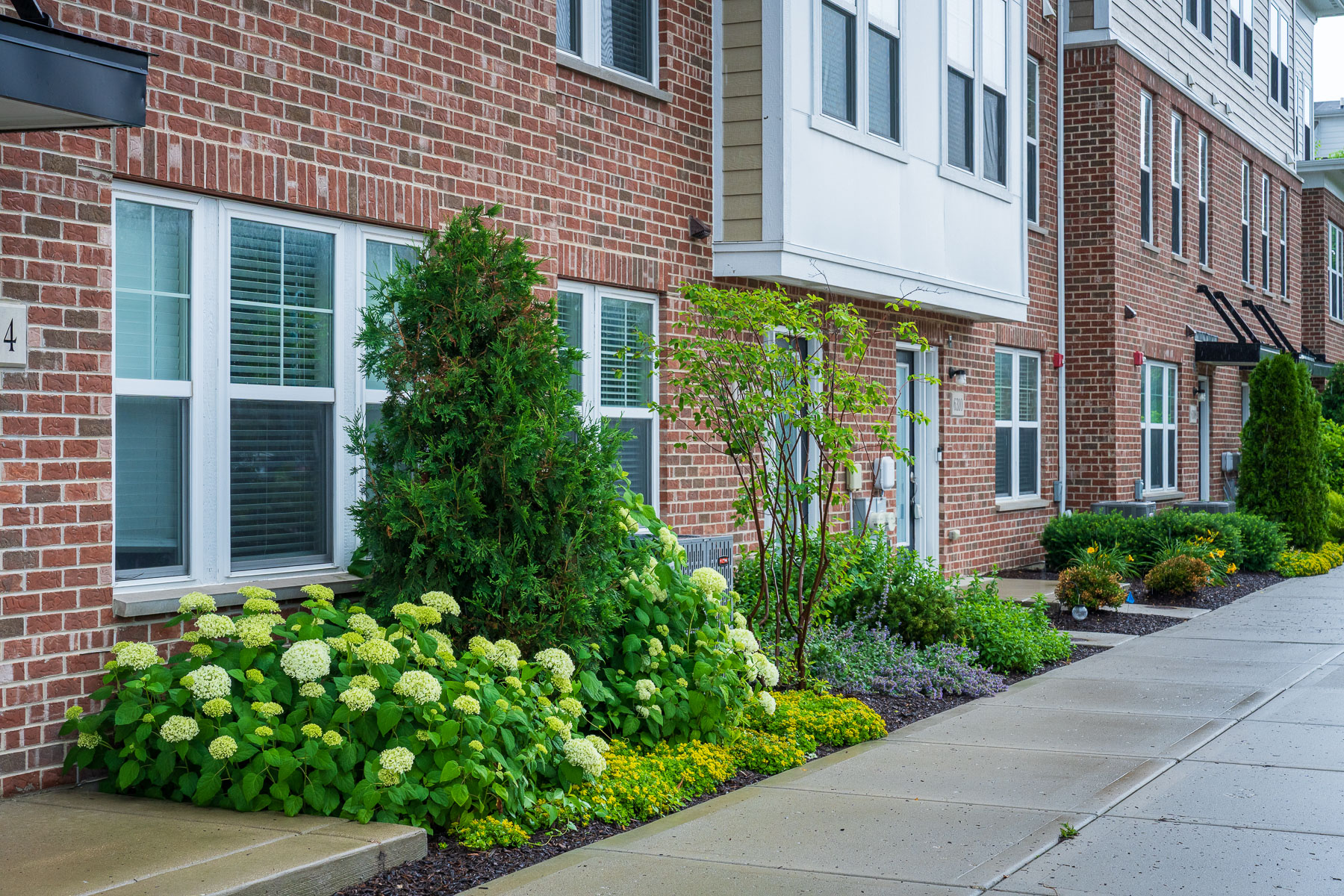

Managing HOA properties and commercial campuses comes with a tremendous amount of responsibility. It can, however, be incredibly rewarding, especially when your hard work is appreciated by residents and visitors.
Landscaping is one of the most visible examples of this principle. When it’s beautiful and functional, people notice, but it can quickly deteriorate if not cared for properly. So, when commercial landscape plant health declines, it is more than an inconvenience; it is a significant problem to solve.
Thankfully, commercial property tree care does not have to be a mystery or a shot in the dark. By understanding the common causes of tree decline, you can take proactive steps to protect your plants, preserve your landscape, and enjoy all the benefits of your commercial property as it is meant to be.
What's Inside This Tree & Shrub Guide
- The Common Causes of Tree and Shrub Decline
- How to Maintain Healthy Trees and Prevent Shrub Decline
- Tree and Shrub Health Maintenance FAQs
- Working with a Local Professional: The Best Way to Keep Your Commercial Landscape Healthy
Commercial Property Tree Care and Shrub Health Maintenance
Maintaining a healthy, good-looking landscape does more than give your curb appeal a nice boost. A landscape that is functional and thriving can improve people’s experiences, play an integral role in your reputation, promote safety, and conserve your budget.
In other words, preventing the decline of tree and shrub health is a big deal that carries significant and lasting repercussions. Many property managers understand this and strive to maintain a healthy landscape through routine maintenance, only to watch their trees and shrubs continue to suffer, which begs the question, “Why do trees and shrubs decline on commercial properties?”
The Common Causes of Tree and Shrub Decline
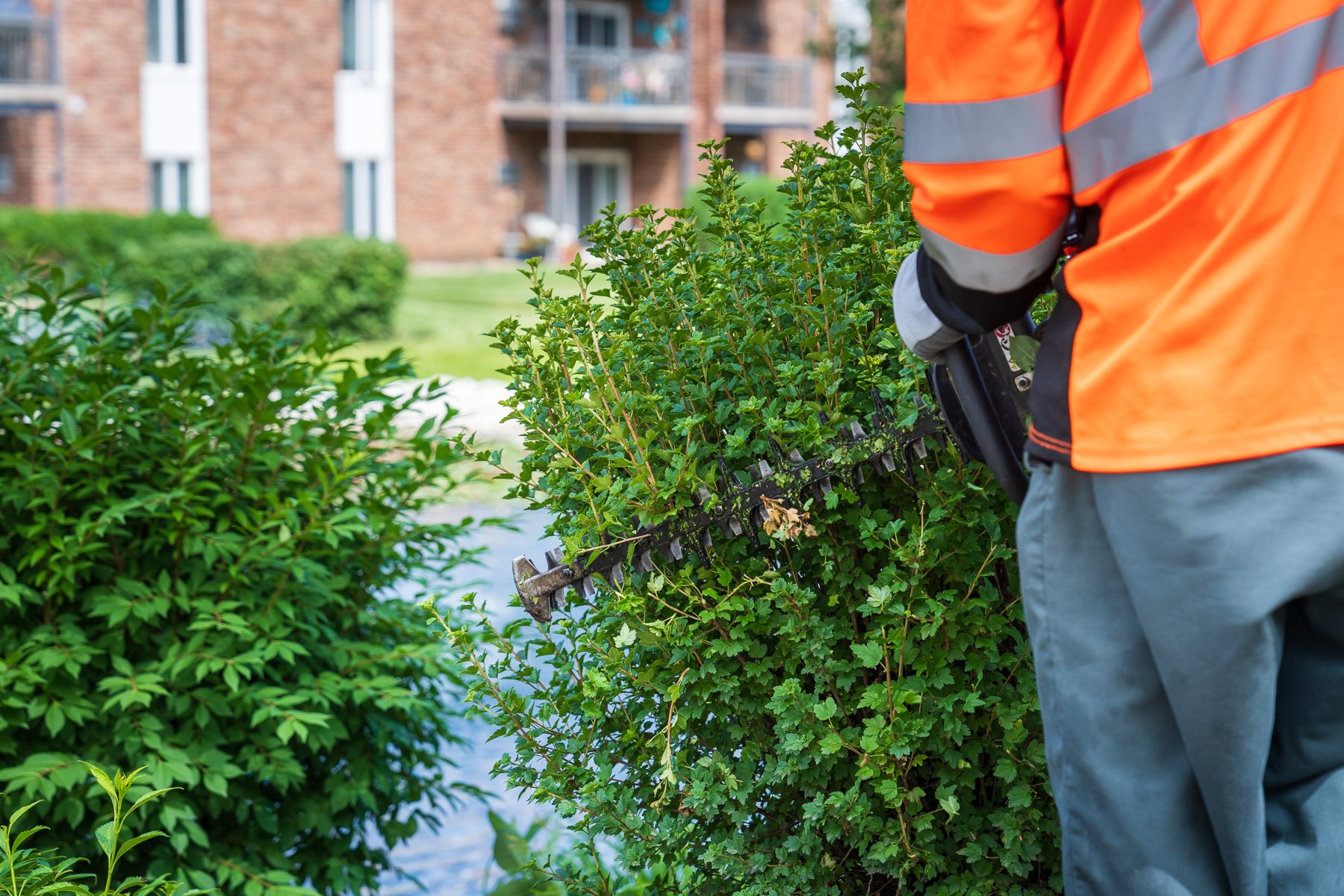
It can be frustrating to put time, money, and effort toward commercial landscaping, only for your trees and shrubs to continue to struggle. To help prevent this possibility from becoming reality, it is important to understand what causes plant health to decline in the first place. Then, a plan can be implemented to counteract those causes and maintain healthy, thriving trees and shrubs.
Environmental Stress
The Chicagoland area is not easy on plants. From drastic seasonal shifts to questionable soil conditions, the environmental factors of the region can cause plants stress and contribute to their decline.
While every property is different, and environmental conditions can vary year-to-year, there are a few common challenges that every commercial property manager should consider when caring for their trees and shrubs.
Drought is among the most common and impactful environmental conditions that can lead to plant health decline, even among established trees and shrubs. This remains true even if you are irrigating on a regular basis. If adequate water is not reaching the roots, drought stress can take hold.
Extreme temperatures are often associated with times of drought, but they can exist outside of dry periods. Times of abnormal temperatures, especially if they persist, can also lead to plant stress, causing a notable decline in trees and shrubs.
The final common source of environmental stress is soil compaction. When soil becomes compacted, it prevents water from filtering through and reaching the roots. This not only reduces the water available to trees and shrubs, but limits their ability to access and absorb nutrients. As an additional concern, compacted soil can cause increased runoff and erosion, further damaging your landscape.
External Attacks
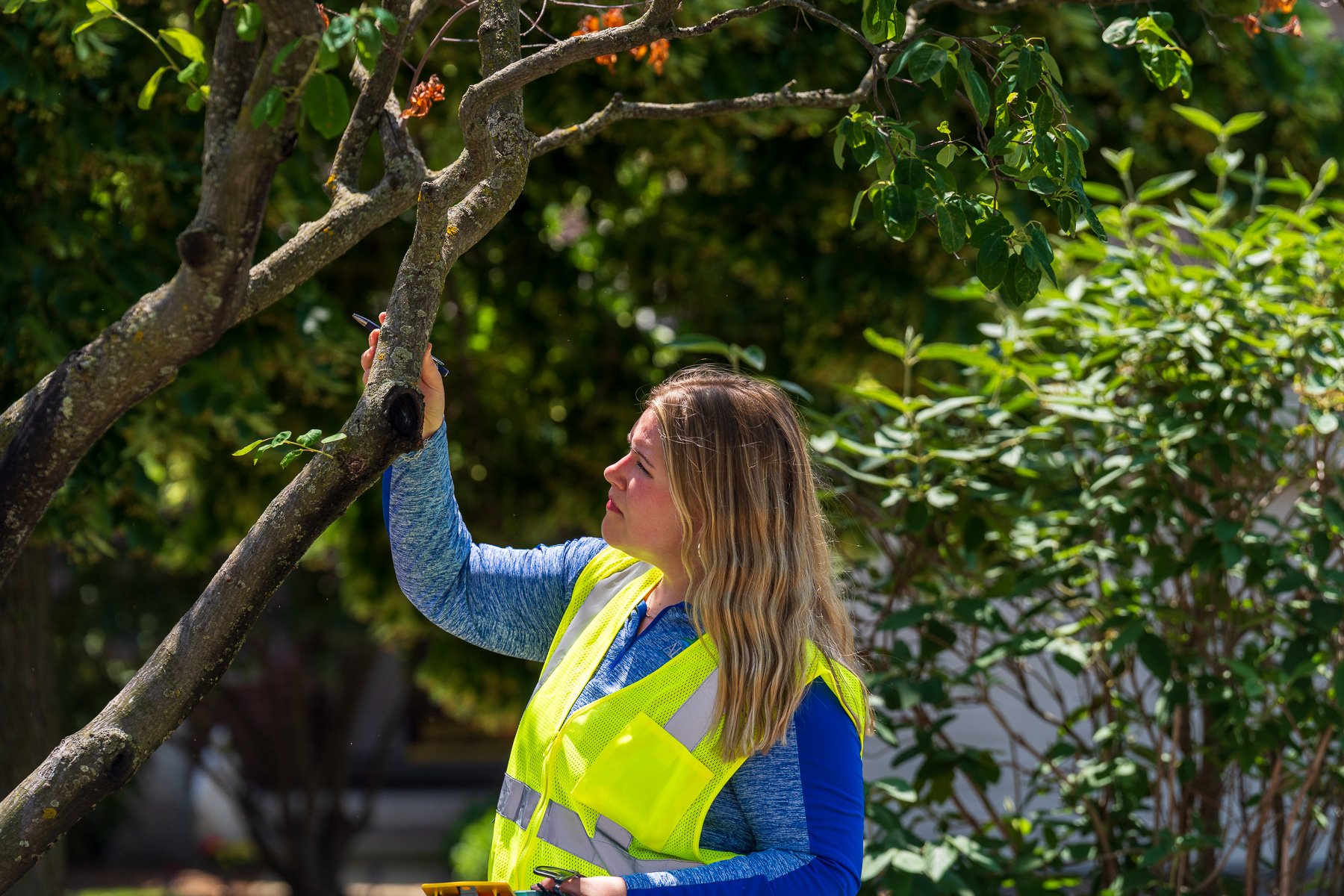
When environmental stress is present, trees and shrubs become more susceptible to external attacks from diseases and pests. While not always immediately apparent, the presence of insects, fungal infections, or other external aggressors can quickly lead to tree and shrub decline on a commercial property.
Often, diseases and pests are not the initial cause of plant stress and decline, but an additional factor that causes the health struggles to accelerate. They go hand-in-hand with weakened trees and shrubs, making matters worse.
Improper Maintenance
Improper planting is a common cause of tree decline, so if you notice a young tree struggling, this factor should be considered. However, even established plants can experience decline related to mistakes in care and maintenance.
This comes as a surprise to many commercial property managers who have consistently invested in routine maintenance in an effort to keep their properties aesthetic, clean, healthy, and safe.
How to Maintain Healthy Trees and Prevent Shrub Decline
As a property manager, it is difficult (if not impossible) to be as hands-on with every property as you might like. When word reaches you regarding dead or compromised plants, it likely arrives in the form of a resident complaint or obvious landscape issue, such as a tree that is in need of serious intervention or replacement.
If you notice this cycle repeating, as well as the expense that accompanies it, there are steps you can take to proactively address the underlying issues and provide your plants with a healthier future.
Identify Potential Problems Early
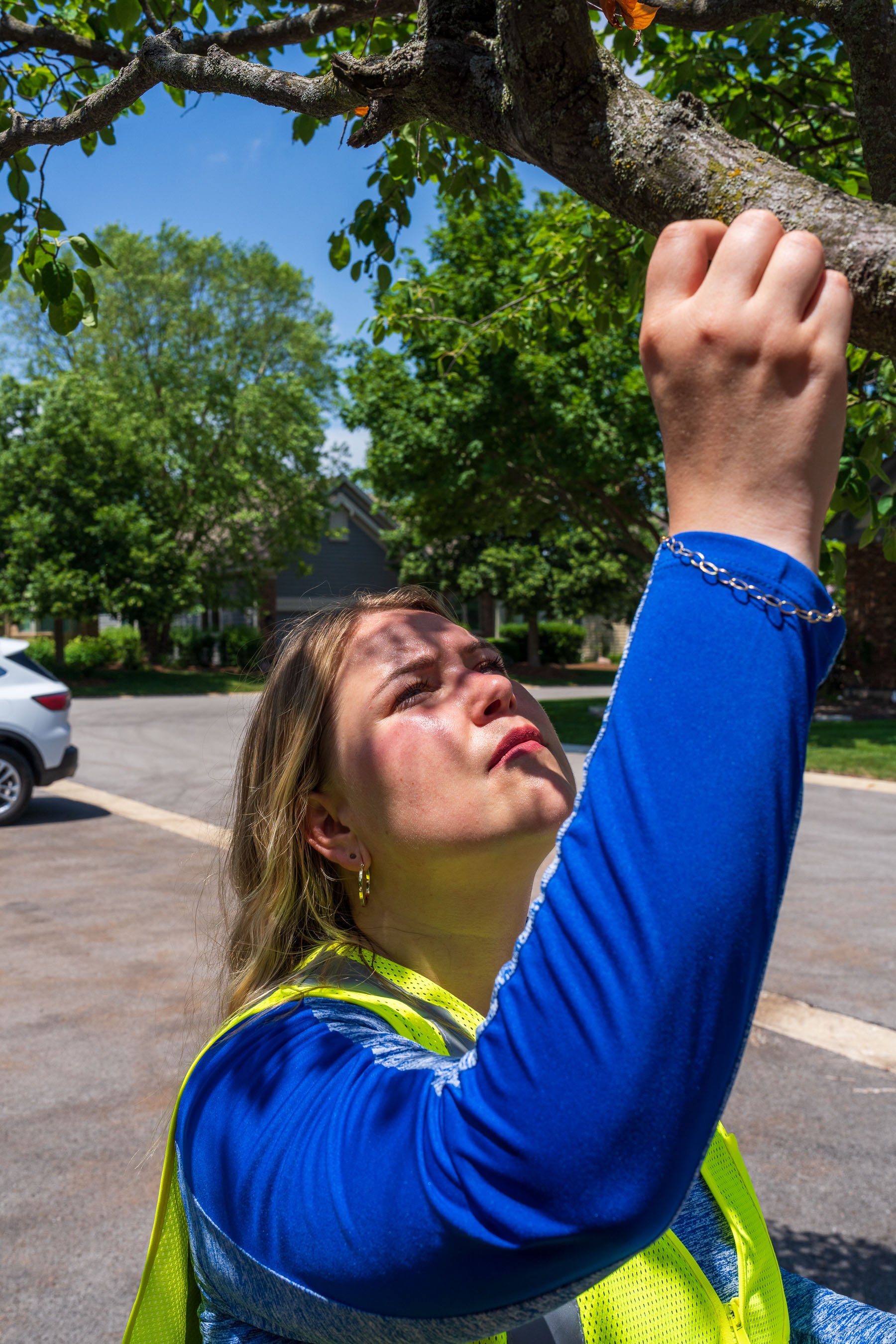
Regular property evaluations by a professional not only help maintain a well-groomed landscape, but also contribute to early detection of potential problems before they develop into serious (and expensive) issues.
The earlier issues are identified and diagnosed, the more effectively they can be treated. This prompt approach to dealing with threats to the health of your trees and shrubs also limits the amount of stress they are exposed to, helping them bounce back quickly.
Invest in the Care Your Landscape Needs
Whether it’s simple preventative maintenance, upgrading your irrigation system, or working with a professional to provide specialized care that benefits your specific plants, investing in the care your unique landscape requires is one of the best ways to prevent shrubs and trees from declining and dying.
This is especially true if you do not currently work with a professional landscaper to routinely care for your property. However, even if your landscape is maintained on a regular basis, you may need to go beyond the basics to ensure that your trees and shrubs are healthy and thriving.
Some property managers face the upfront cost of better landscape care and hesitate to make the investment, but the truth is that proactive care tends to save money in the long run. Fewer emergency interventions, a reduced plant replacement rate, more efficient use of resources, and a myriad of other benefits all add up to budgetary savings.
Adapt to Environmental Factors
As the seasons change and years go by, different challenges may arise. From years of drought to soil that lacks the right nutrients, environmental factors can throw you a number of curveballs that could lead to tree and shrub decline on your commercial property.
Because the situation is always shifting, it is important to remain flexible in your approach to landscaping. The basics may stay consistent, but rigid adherence to a maintenance plan can actually harm your plants. Adapt to environmental factors as they occur to best preserve your trees and shrubs.
Tree and Shrub Health Maintenance FAQs
Why are trees dying on my commercial property?
The common causes of tree decline range from environmental stress and external factors, such as pests, to improper maintenance. It is best to work with a professional to diagnose the underlying issue and develop a plan to repair the damage and proactively protect your trees in the future.
Why are shrubs declining even though they're maintained?
Basic maintenance is not always enough to keep shrubs healthy. Preexisting plant stress can continue to cause deteriorating health, environmental factors can harm shrubs, and more specialized care might be necessary.
How do you keep commercial landscaping healthy?
Professional landscape maintenance is the most important factor in maintaining healthy trees and shrubs. It is always better to be preemptive and proactive rather than reactive.
Adapt to environmental factors, institute a comprehensive maintenance plan specifically designed for your commercial property, and address potential problems before they have the opportunity to develop and snowball.
When does a declining tree or shrub need professional attention?
If your property’s appearance begins to suffer, residents are unhappy, safety is compromised, or there is a pattern of tree and shrub decline, you should immediately seek the help of a local landscaping professional. However, it is always better to work with an experienced landscaping company from the start in order to prevent problems from developing in the first place.
Working With a Local Professional: The Best Way to Keep Your Commercial Landscape Healthy
Maintaining a commercial landscape that looks great, functions as intended, and keeps residents and visitors safe is a top priority for any property manager. In the Chicago area, the best way to accomplish these goals while embracing efficiency and conserving your budget is to partner with a local landscaping professional.
Equipped with regional experience and expertise, a local landscaper can provide exceptional commercial tree and shrub care services in Chicagoland. From climate factors to insect infestations, they have the knowledge necessary to pinpoint the problem and correct it before it becomes a big, expensive problem.
Alan Horticulture has been doing exactly that since 1978. In that time, we’ve seen just about everything, built lasting relationships, and refined our craft. To learn more about how we can help you achieve your commercial landscaping goals, including protecting your trees and shrubs, feel free to reach out to us!

About Jessica Smith
Lorem ipsum dolor sit amet consectetur. Interdum id sed ipsum gravida cras purus augue. Mattis lacinia vitae enim risus dolor tristique sit sed. Tortor tellus montes nisl et eget sagittis lectus nulla. At fermentum ut suscipit aliquet.