
Being a Chicagoland property manager is no walk in the park. It's not just about balancing the day-to-day demands that require tedious attention with conceptual, big-picture duties – it's about making sure that every decision, even the ones about commercial landscaping, is made as intentionally as possible.
You've already got a lot on your plate – tenant and resident expectations, ownership priorities, budgets, vendor relationships, and more. Landscaping, well, that's just one small piece of the puzzle.
But when it falls short? It quickly becomes another problem added to your list of to-dos.
That's why the right commercial landscaping program matters so much.
It's about more than just keeping the grass cut and the shrubs trimmed; in fact, at its core, it's about the perfect balancing act of making your job easier, keeping ownership happy, and appealing to residents or tenants.
And the best commercial landscaping does even more: It provides consistent property care that anticipates and proactively tackles issues or needs so you don't have to, is clear about what work is always included, and handles what needs attention next.
The right commercial landscaping program should do more than keep the grass cut.
The problem? It can be hard to figure out how to find the perfect partner who tackles all of that and more. Thankfully, that's what this guide is for.
First Things First: What Is Commercial Landscaping?
The word "landscaping" makes so many of us mentally flash to someone haphazardly riding a lawnmower, cutting the grass, blowing the leaves off sidewalks, and rushing out to the next job.
But commercial landscaping is so much more than that.
If you ask us (and you're reading this, so you are), commercial landscaping is the ongoing maintenance, improvement, health management, and seasonal care of outdoor areas at commercial and community properties.
In other words, it's the proactive care of landscape on commercial properties like yours.
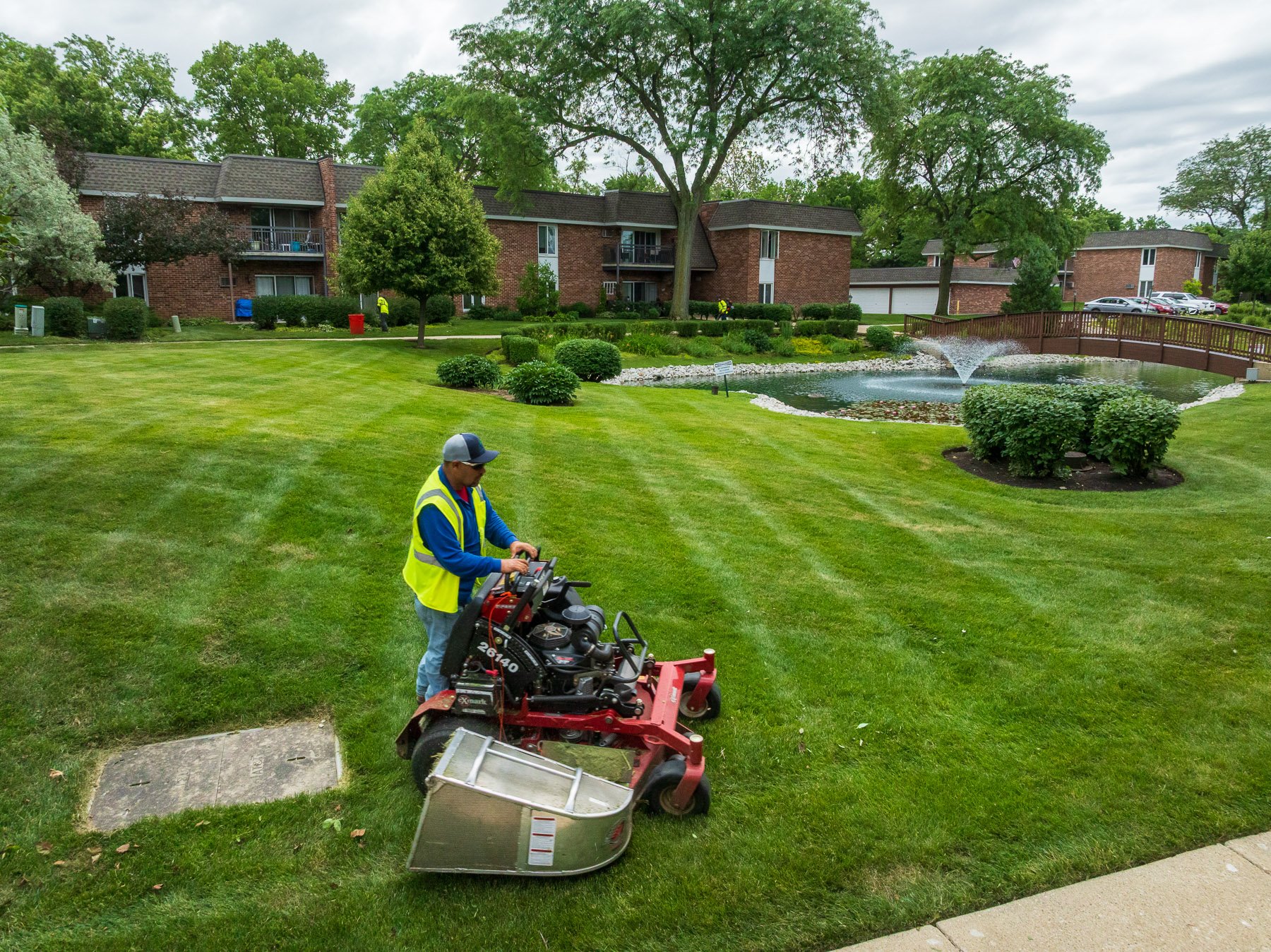
Services usually include things like:
- routine grounds maintenance
- landscape enhancements
- Irrigation
- tree and plant health care
- landscape design and installation
- snow and ice management
That said, every company will have a different suite of services to offer you. That's why it's so important to have a thorough understanding of what care looks like and how it fits your specific needs.
For property managers like you, that means understanding what work happens on-site, but more than that, how the contractor plans the year, monitors property conditions, communicates recommendations to you, and follows through.
Every program will look a little bit different, but generally, a well-managed and well-run program should help you:
- Maintain a consistent, professional property appearance
- Keep entrances, common areas, and shared outdoor spaces tidy
- Identify developing landscape problems before they become bigger issues
- Protect and care for turf, trees, shrubs, and other landscape investments
- Plan seasonal work and property improvements
- Understand service responsibilities and additional costs.
- Spend less time following up with vendors and responding to complaints.
(Want to see what we include in our commercial landscaping services? We've got a whole page that walks you through everything we provide our clients.
Knowing how to pick the right commercial landscaping partner for your property takes time and careful discernment.
Our advice for first steps? Determine what your needs are in the first place before interviewing partners.
Establishing what you're looking for can help you weed out what you do and don't need when evaluating potential partners.
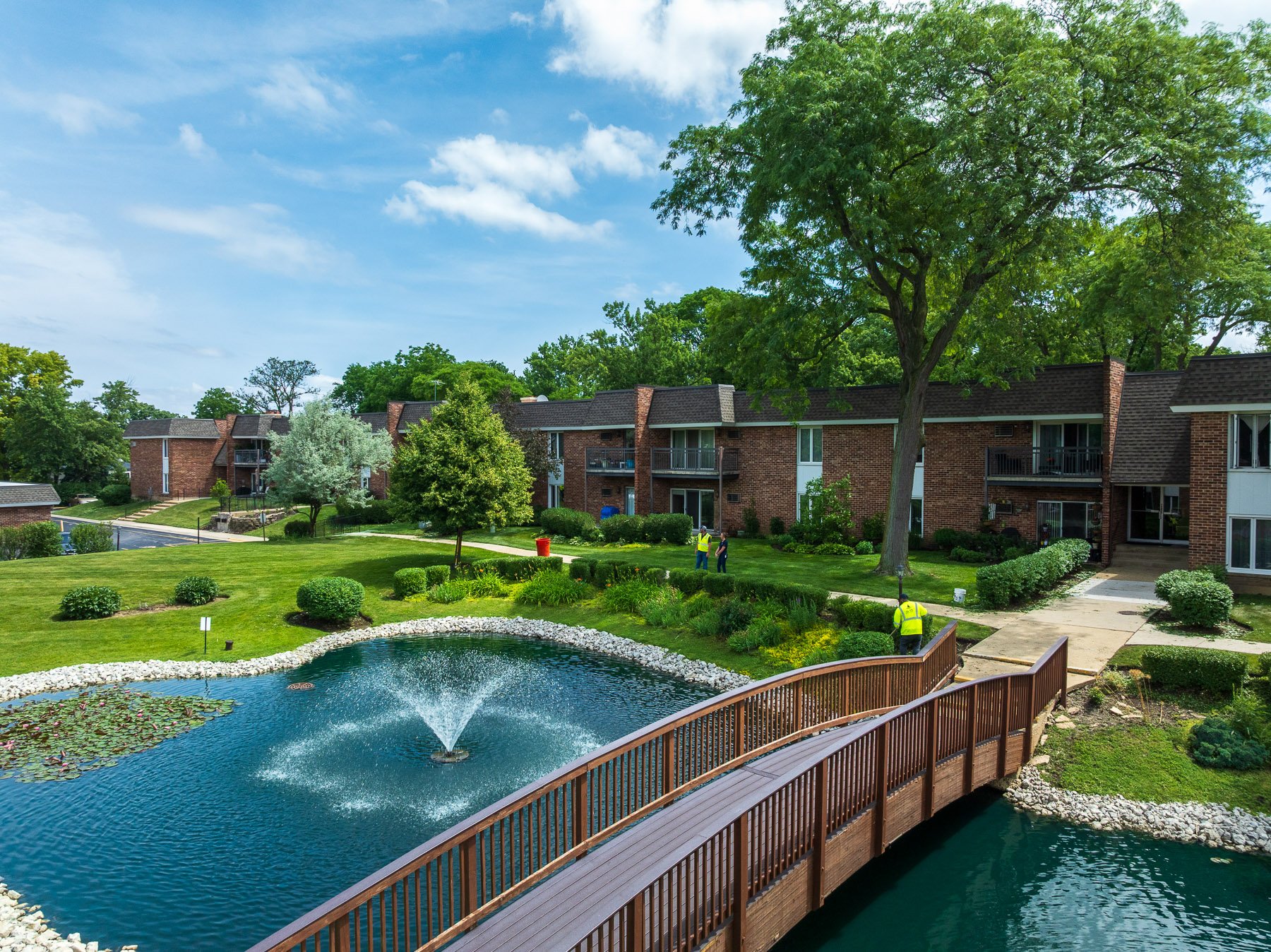
What Services Are Usually Included in Commercial Landscaping?
We want to get right out ahead of this question with a firm disclaimer: every commercial landscaping company is going to offer something different.
In most cases, commercial landscaping should include things like:
- Recurring maintenance
- Planned improvements
- Specialized horticultural services
- Irrigation management
- Potential landscape design and installation help
- Winter and seasonal operations (like snow removal)
Every partner will be different, and the right service combination wholly depends on your property, its existing conditions, your expectations, and, of course, the budget.
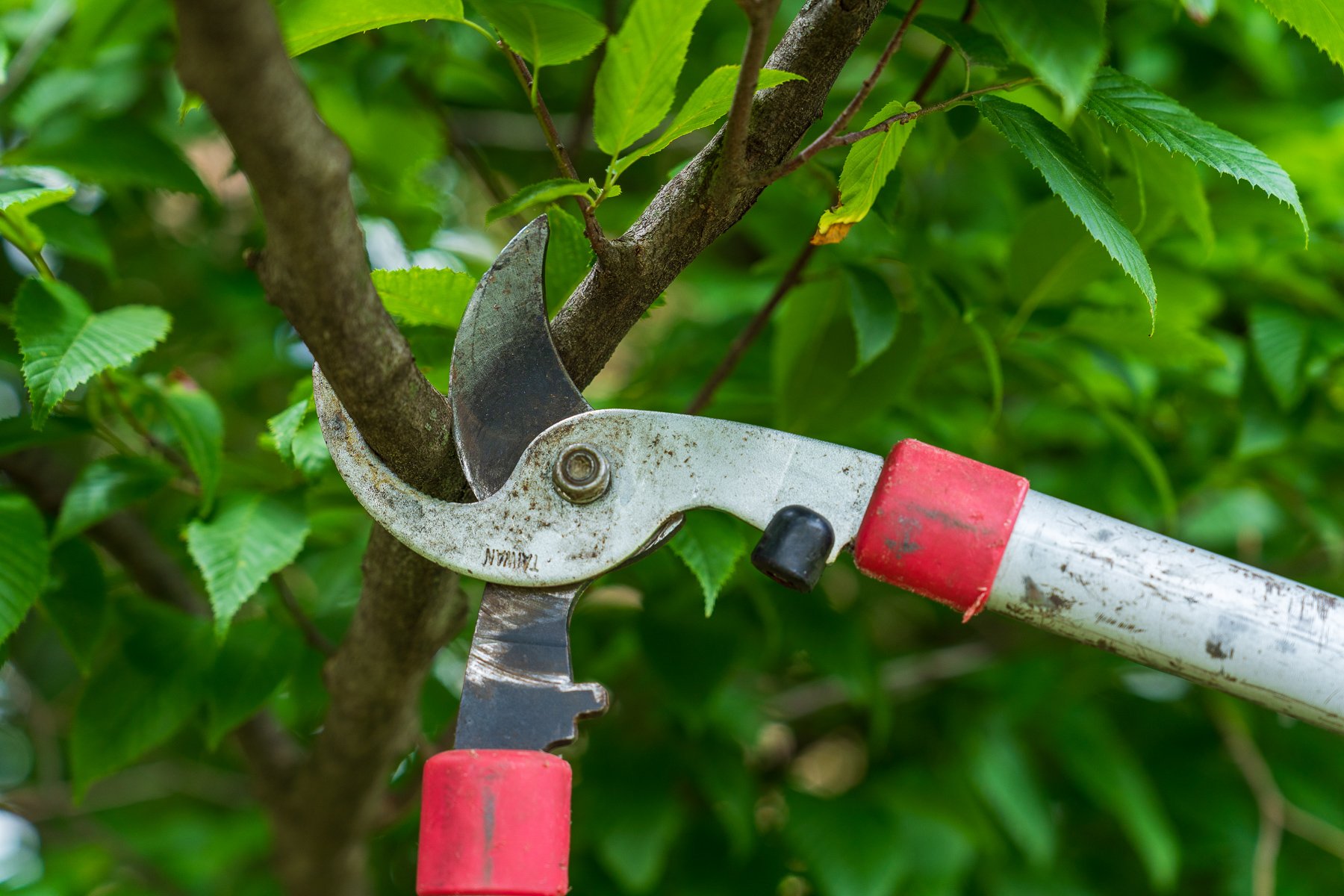
Commercial Landscape Maintenance Keeps the Property Maintained
Commercial landscape maintenance is the main pillar of an ongoing landscape program.
At its core, the purpose is to preserve existing landscape conditions while supporting plant and turf health.
Ultimately, it's about protecting investments and making sure the property looks cared for year-round.
Most often, this means a partner will provide services like:
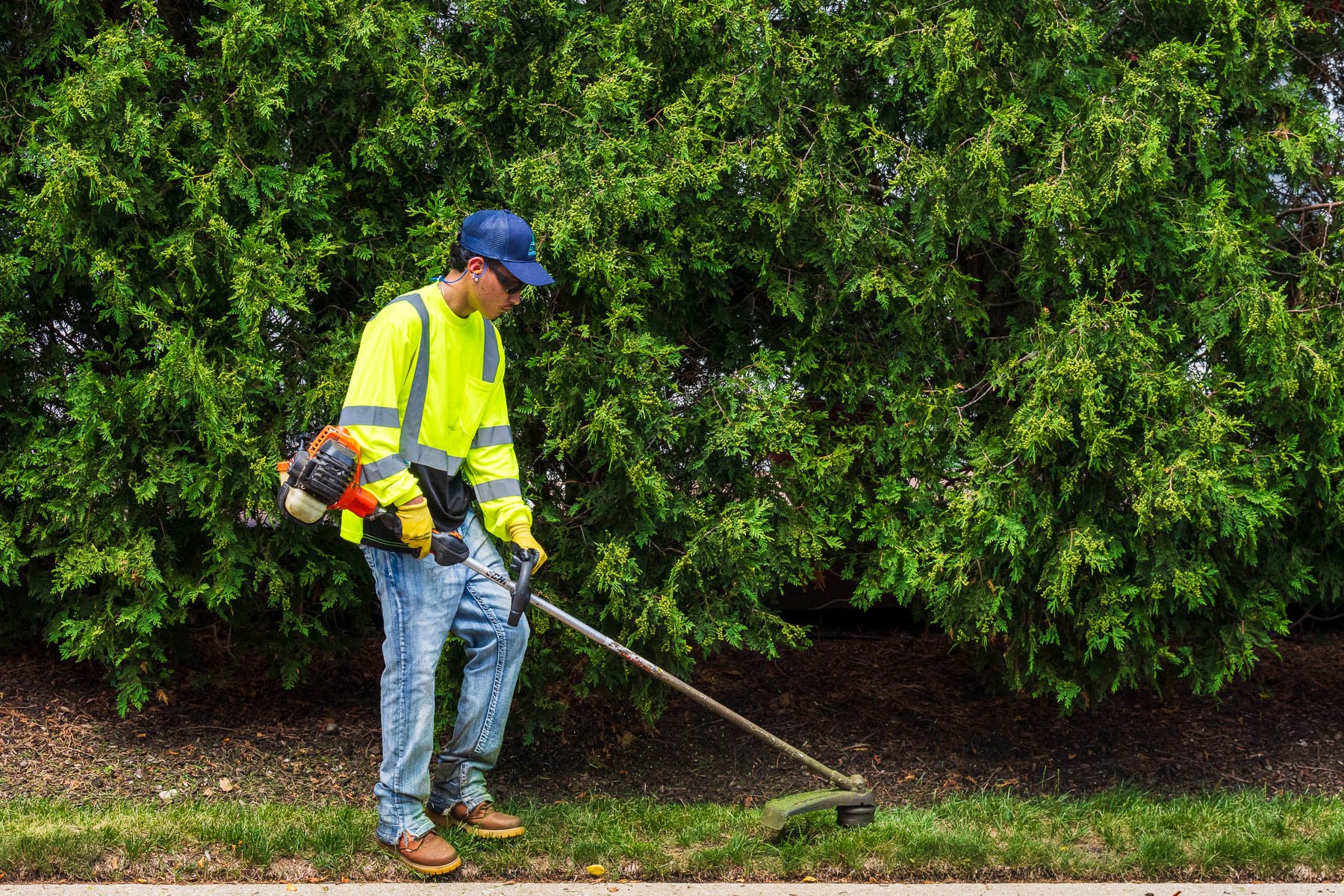
- Mowing, edging, and trimming
- Landscape bed maintenance and weed control
- Shrub and hedge pruning
- Turf care and health monitoring
- Routine fertilization
- Seasonal cleanups and debris removal
- Common-area and entrance upkeep
- Routine property inspections and reporting
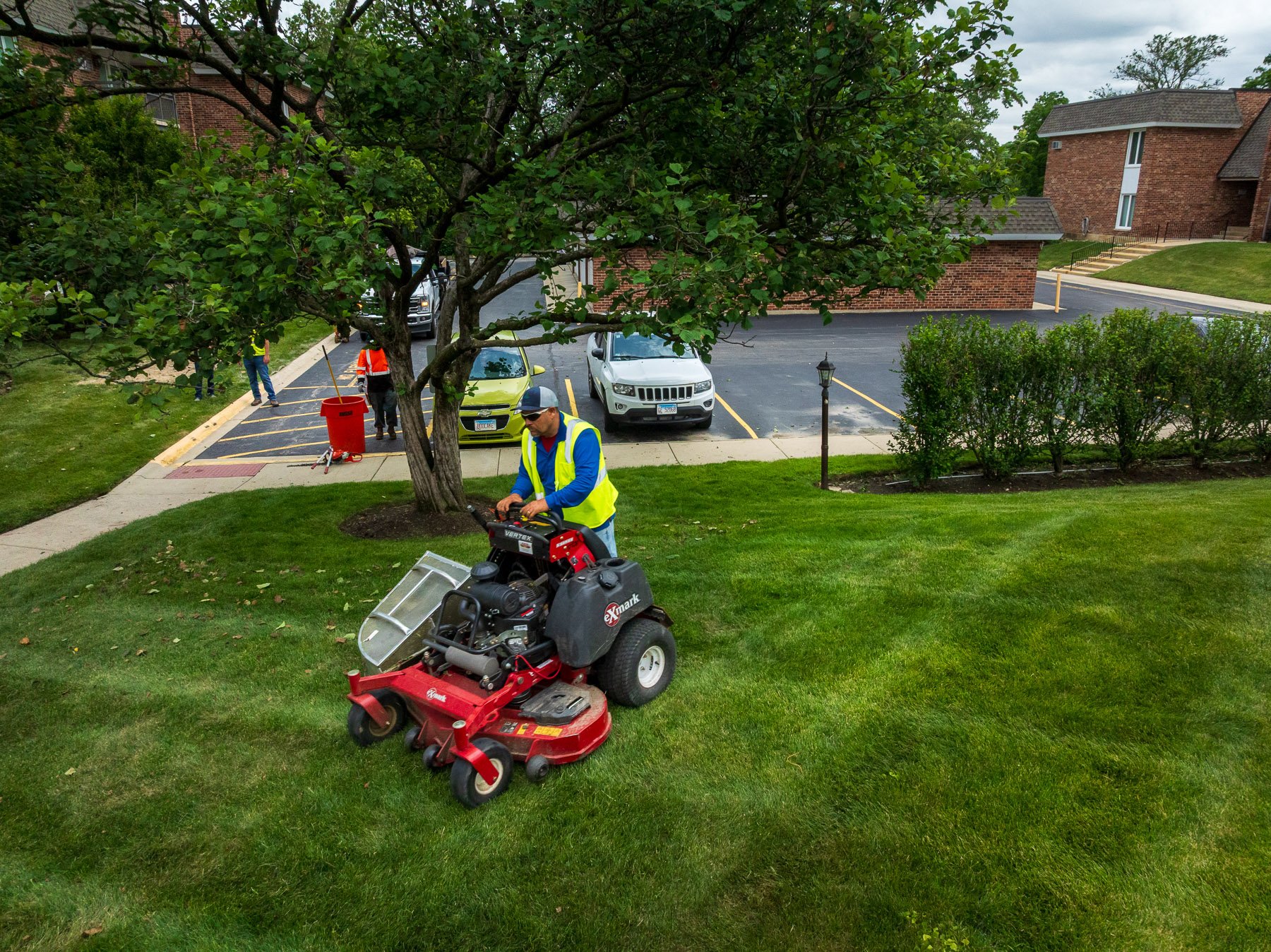
See how it's so much more than just a guy on a riding lawn mower?
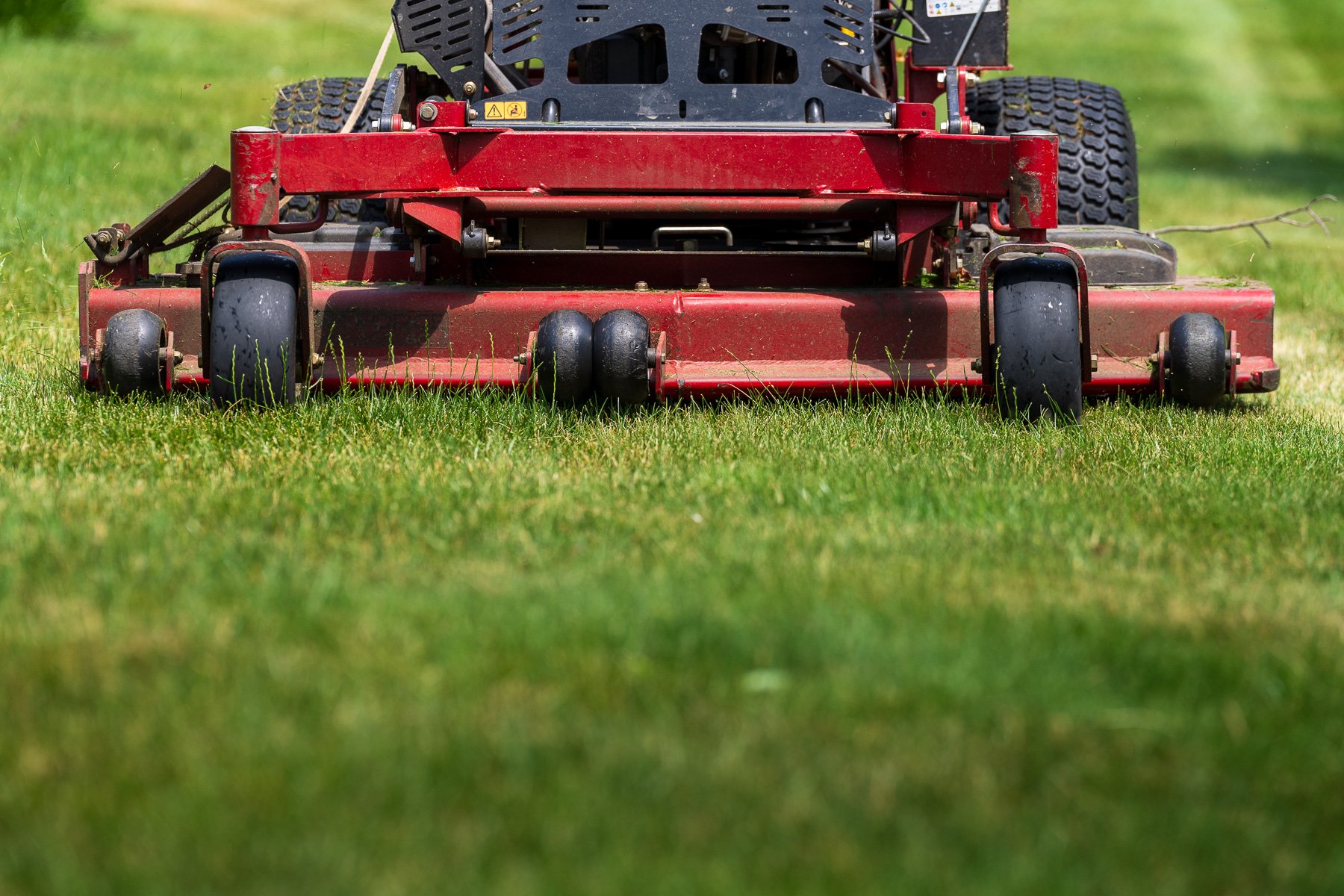
Consistent, reliable services like these are all necessary to keep a commercial property looking beautiful and functioning the way it should.
Of course, the services and visits will depend on a property's needs and the agreed-upon scope of work.
We can't speak for every one of our commercial landscaping partners out there, but at Alan Horticulture, we do tend to follow a pattern of weekly service during the growing season for our clients.
Landscape Enhancements Improve Areas That Routine Maintenance Cannot
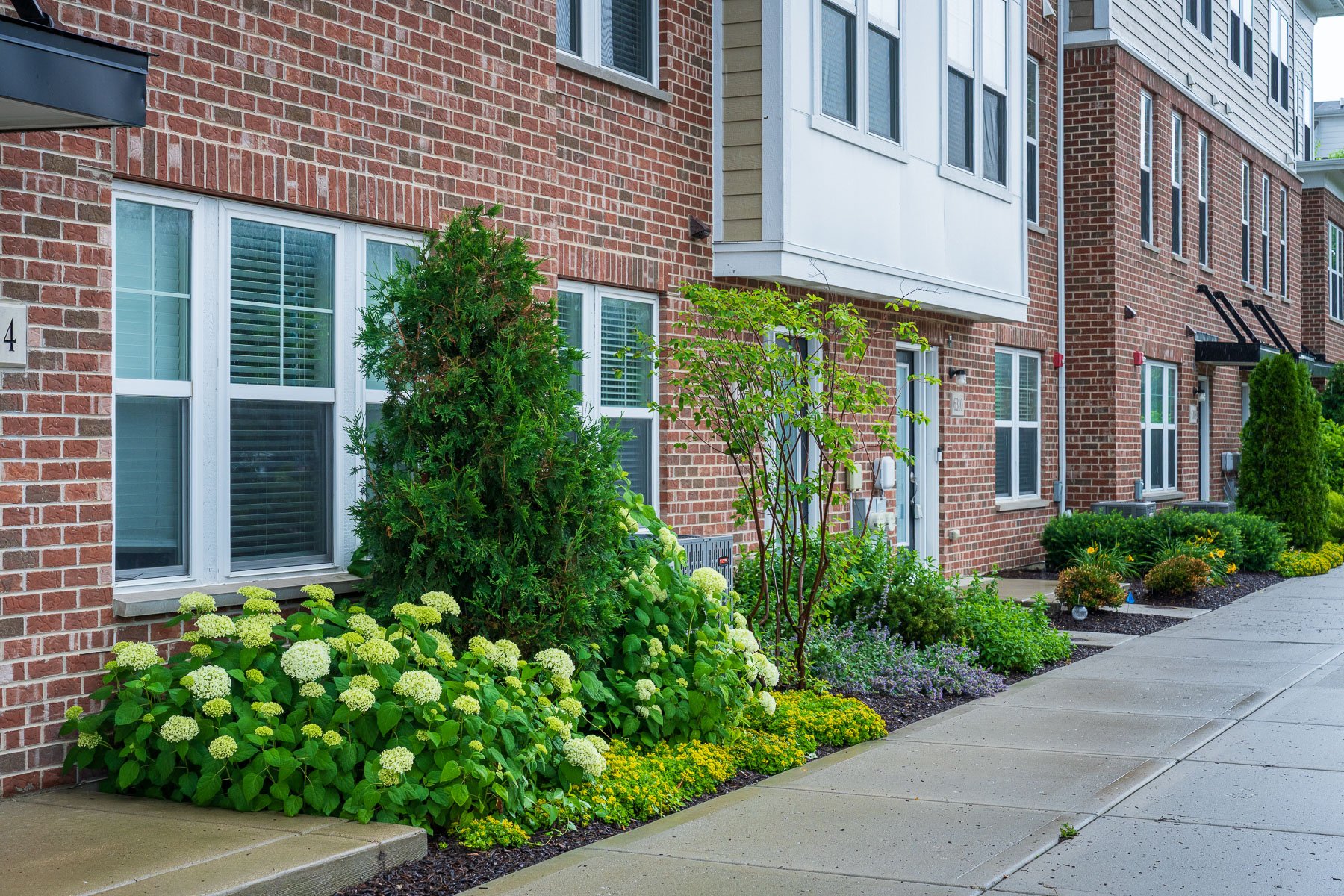
Commercial landscaping isn't just about consistent care and keeping the property status quo – a great program also focuses on specific landscape enhancements that can improve or update areas that need a little more than routine care.
If your space is struggling with declining plants or decaying beds, landscape enhancements can look like replanting those aging plants or renovating those beds. It could also look like:
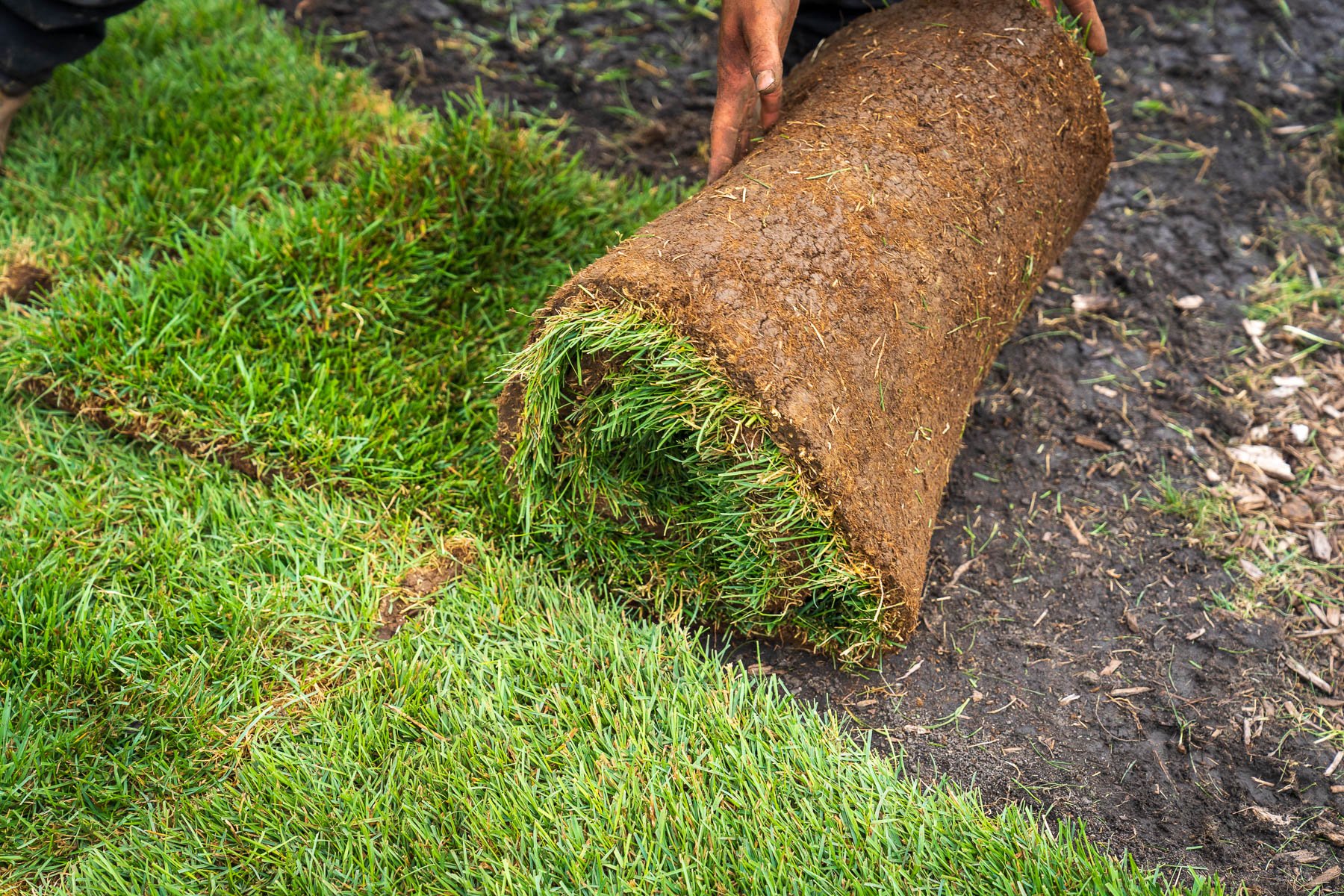
- Restoring turf
- Installing and cycling seasonal color
- Improving draining
- Updating irrigation
- Refreshing an entrance or common area
Sometimes, the solution for an area might be a landscape enhancement rather than a routine visit because they can tackle something in a pinch without the need for a full and complete redesign.
Landscape Design & Installation Tackle Larger Property Changes
In cases where routine maintenance and simple enhancements just won't cut it, targeted improvements might be the go-to solution.
That's where a commercial landscaping partner who offers landscape design and installation might be the right choice.
Larger design and install projects often include services like:
- Redevelopment or rebranding
- Major entrance renovations
- Extensive planting replacements
- Site evaluations
- Planting design
- Sod and turf installation
- Tree and shrub replacement
- Full landscape renovations
Irrigation Management for Proper Support
Irrigation is essential to every landscape management plan. Without a properly functioning irrigation system (that runs reliably), no landscape can thrive.
Think about it this way: The condition of an irrigation system directly affects turf and plant health, which directly impacts your investment.
Tree and Plant Health Care Protects Your Established Landscape Assets
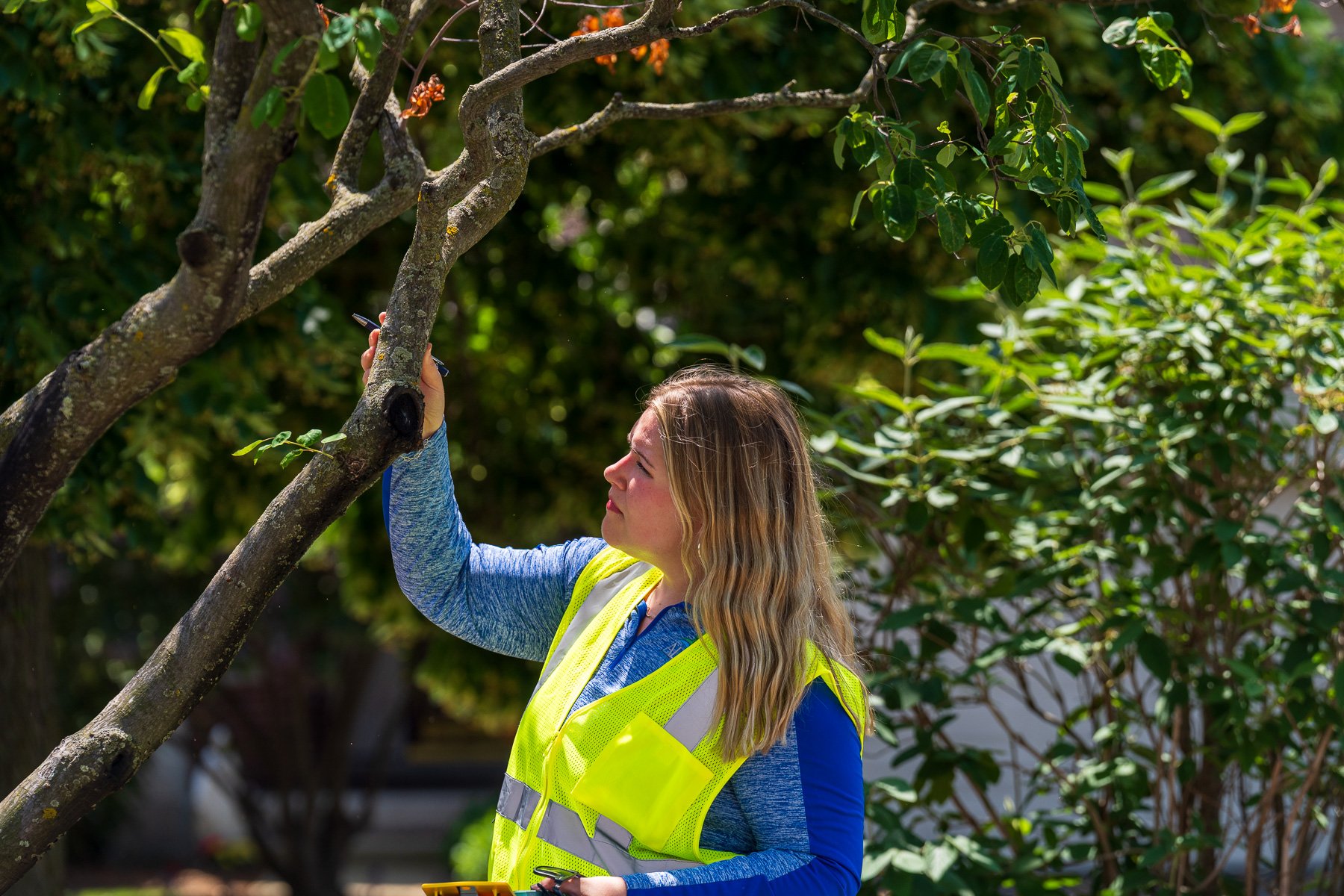
It's true that routine maintenance helps keep trees and shrubs looking cared for, but declining plants might need more targeted attention to continue thriving.
Tree and plant health care can include services like
- Plant health evaluations
- Seasonal pruning or trimming
- Fertilization programs
- Soil support
- Ongoing monitoring
It's not always as simple as a trim here or a prune there. When mature trees or shrubs are on the decline or constantly struggle, it's possible that specialized plant health care is needed – and having a commercial landscaping partner who offers that is a huge benefit.
Snow and Ice Management for Safe Winter Access
This is especially relevant in our snowy Chicagoland. For many property managers, the "commercial landscaping" gig ends when the snow falls, and the flora and fauna go dormant.
But a proper commercial landscaping plan includes snow and ice management! Just because the growing season is over doesn't mean your landscaping provider should dip out until things thaw.
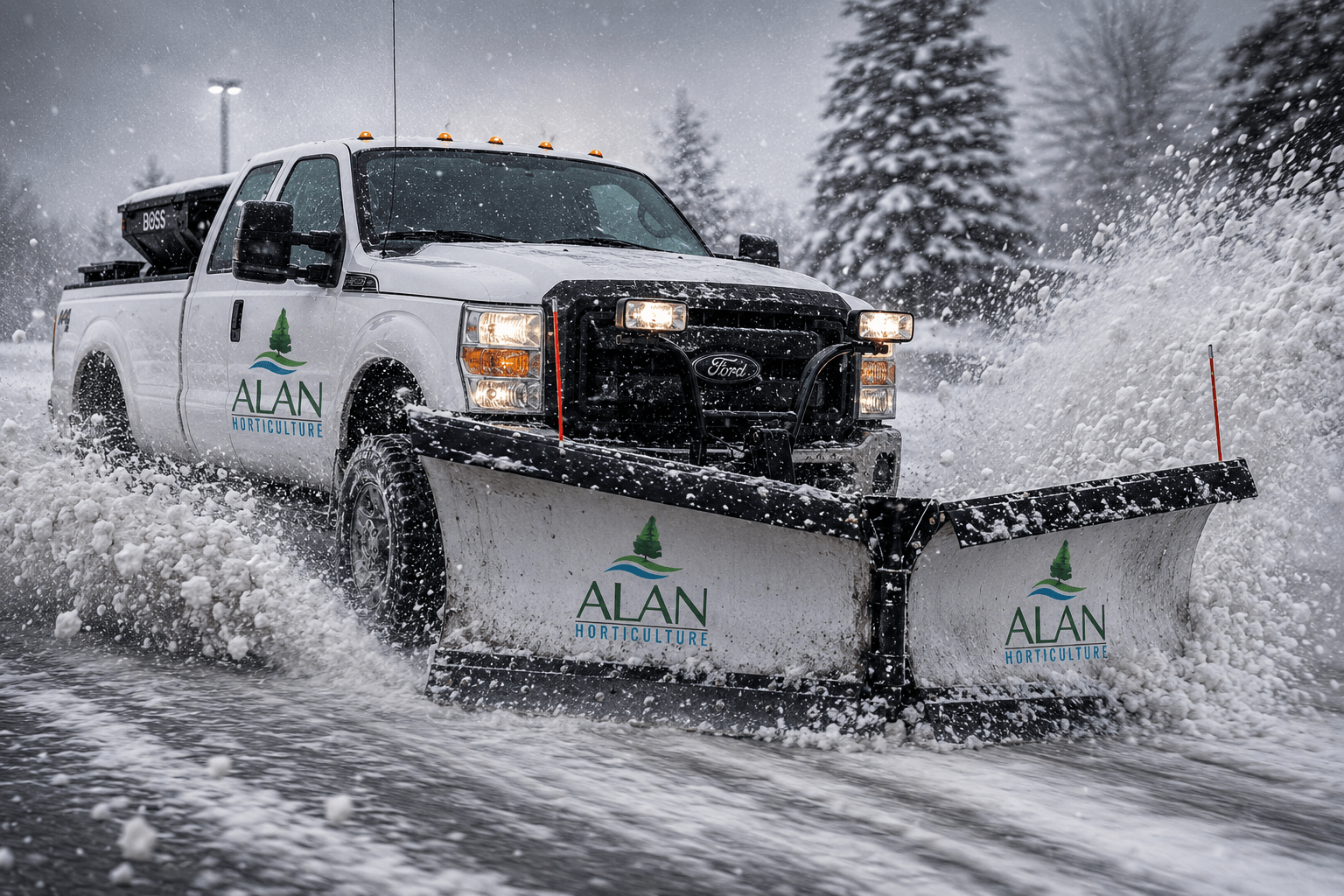
Proper snow and ice management helps maintain access to your property, including areas like parking lots, walkways, and entrances.
Services for snow and ice management might include:
- Snow plowing and removal
- Sidewalk clearing
- Deicing
- Ice control
- Pretreatment
- Site monitoring
This part of a contract should have a clearly defined scope – especially as it pertains to responsibilities and scheduling requirements.
As property manager, you need to understand which areas are covered, how services are coordinated, and how weather-related updates are communicated back and forth.
What Should Commercial Landscape Maintenance in Chicagoland Look Like Throughout the Year?
As you might expect, commercial landscape maintenance services will change along with our seasons.
Though there will always be a little nuance to every season, we typically look at seasonal needs this way:
- Spring: Recovery and preparation. We look at spring as the time to evaluate the landscape after winter and get it ready for an active growth season. It's also a time to identify upcoming improvements for the next season – a little proactive work so that we don't have to react to a larger problem later.
- Summer: Consistent maintenance and monitoring. This requires a lot of consistent maintenance and monitoring. Mostly, we want to make sure the property stays consistently neat, tidy, and presentable while also monitoring changes.
- Fall: Cleanup and winter prep. This might include leaf cleanup, turf improvements, appropriate aeration and overseeding, planting work, and irrigation system checkups or shutdowns. Before the snow hits, we use the fall season as a time to document areas that need attention in the next budget cycle so we can help property managers plan ahead.
- Winter: Protect and prepare. Winter shifts priorities toward safety, for the most part. Snow and ice management become the key goals so that safe access and property operations are possible no matter the weather. We always encourage property managers and ownership to look at winter as the perfect planning period, too.
Obviously, as a disclaimer, the exact schedule depends on a property's conditions, what our service agreements are, and the changing weather.
How Can You Tell if Your Landscape Is Being Well Managed?
The tough thing about being a property manager is that you need to have "expertise" in so many more areas than you might think – landscaping included.
Let us be clear – it's not important that you know everything about commercial landscaping (that's what your provider is for). But it is important to know enough that you can tell when your provider is doing right by you and your contract.
Truly proactive commercial landscape management means more than showing up on time and tackling a to- do list; it also means handling things like:
- Identifying issues that could snowball
- Communicating recommendations
- Planning next steps
You deserve consistent observation and clear accountability! Make sure that's a priority.

How Property Managers Should Budget for Commercial Landscaping
How a budget works, ultimately, is up to ownership, property managers, the board, stakeholders, and whoever else has interest and authority in the property.
From a provider standpoint, though, we can say a useful commercial landscaping budget separates recurring maintenance from specialized services, corrective work, and planned improvements.
In the long run, this will give you a clearer view of predictable expenses and additional investments that could pop up during the year.
We recommend a budget that's organized similarly to this format:
- Separate routine maintenance from nonroutine work: It's helpful to start by understanding which services are included in the regular agreement and which are separately scoped. This might include recurring services (mowing, pruning, seasonal cleanup, etc.), specialized services (irrigation repairs, plant health, etc.), seasonal operations (fall cleanup, snow removal, etc.), and planned improvements (landscape renovations, drainage improvements, etc.).
- Plan larger improvements separately: It's not always necessary to include your larger improvements in the routine scope of landscape maintenance. If you know that you've got bigger projects on the horizon, you can handle it under a separate estimate to keep things streamlined.
- Budget for conditions that go beyond just maintenance: Even if, in an ideal world, you only want routine maintenance, it's helpful to budget for more just in case. Things like aging plants, drainage issues, and even irrigation system problems can all pop up suddenly – and most of these need to be addressed ASAP. Automatically planning to include these in your budget can keep costs down.
What to Expect in a Commercial Landscaping Contract: What Should Be Included
Every contract, just like every provider and property, is going to be different. That said, no matter what, every commercial landscaping contract should have a few things in common.
We think the best commercial landscaping contracts always tackle:
- Scope of work
- Service frequency
- Seasonal responsibilities and changes
- Expectations and outcomes
- Clear language for out-of-scope work and additional projects
- Communication plans, expectations, and defined account management
Defined Scope of Work and Service Frequency
When you read a broad phrase like “landscape maintenance," you don't always know what you're getting. And while landscape maintenance might need to change and evolve over time depending on the property, the weather, and issues that arise, your scope should still be clearly defined ahead of time.
Review your agreement. Always confirm everything aligns with what you discussed – like scope, responsibilities, and property requirements.
Outlined Communication a
Your agreement should always list who manages your relationship, how service updates are communicated, how weather affects scheduling, and who approves additional work.
Above all, it should have a clear plan set out for communication in general – for additional requests, regular communication, and complaints or issues. That should always be laid out ahead of time.
Clarified Enhancements and Specialized Services
Don't assume landscape improvements, enhancements, or even seasonal work are just "included" in your contract if they're not listed in it.
Alwaysask which services are covered and make sure they all make their way into your contract (in writing!).
Can a Commercial Landscaping Company Have Good Communication? They Can – Here's How
We'll level with you – landscaping companies get a bad reputation when it comes to communication. And oftentimes, those reputations are the result of not focusing on communication.
The tricky part is that the best partnerships begin and end with clear communication. At Alan Horticulture, our team is a stickler for this – we strive to be the landscaping company that completely changes your mind about how landscape providers communicate.
When it comes to choosing a provider, above all, make sure their communication plans are solid. Here's what we think "good communication" means and what you should look out for.

A Dedicated Person Should Understand the Property and Own the Relationship
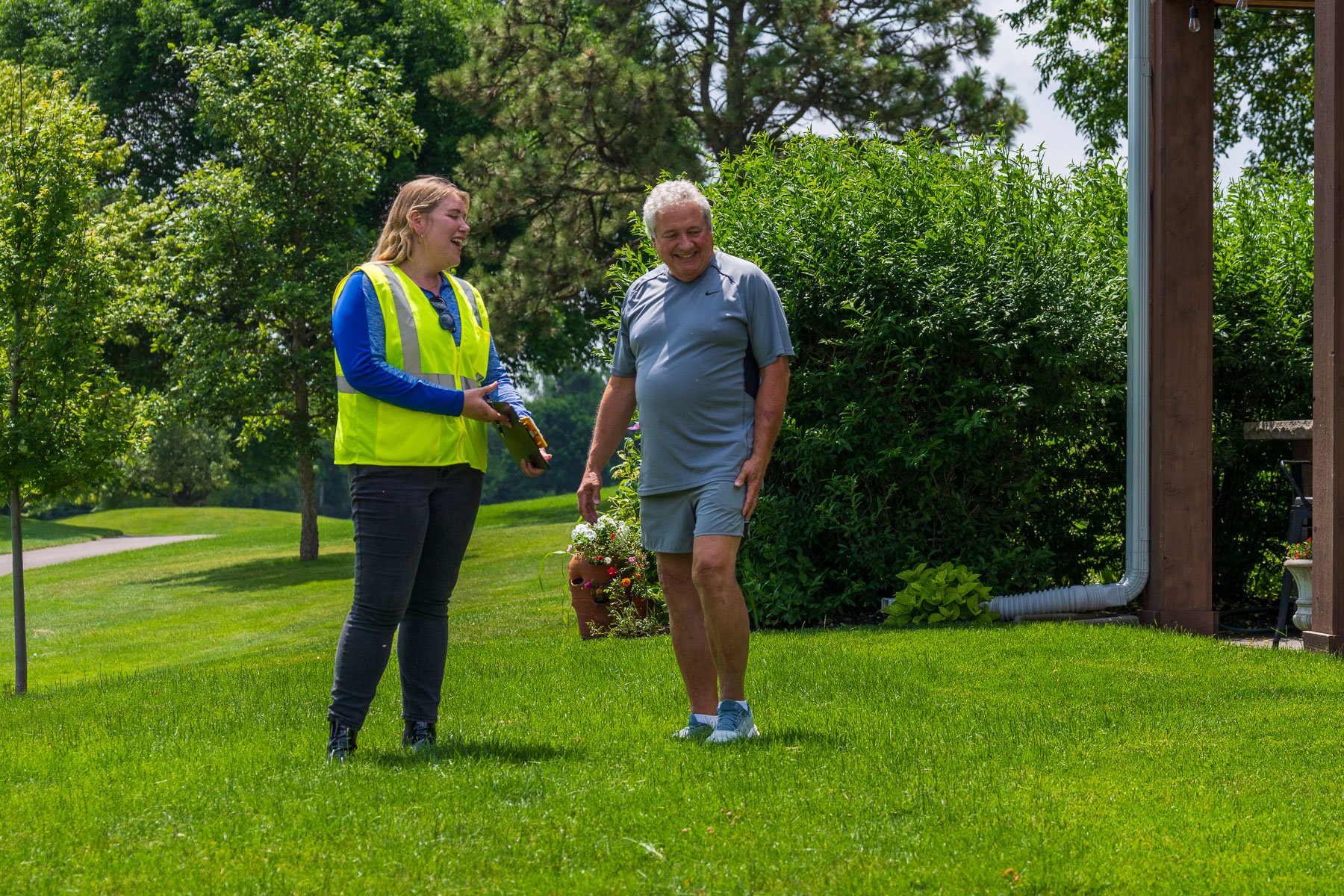
A dedicated account manager is your point of contact. Further, they're the ones who develop your relationship!
Knowing property, its expectations, and its priorities helps coordinate communication between the client and field teams.
Property Managers Should Always Know What Happened and What Happens Next
Useful communication covers more than just scheduling and completed work – it also includes scheduling changes, developing concerns, recommended improvements, timing, and approval requirements.
Above all, the style and frequency of communication should always make it easier for you to answer questions from residents, tenants, boards, and ownership.
This is not a hard thing to do when the landscaping contractor provides clear information and recommendations.
How to Choose the Right Commercial Landscaping Company in Chicagoland?
Choosing a commercial landscaping contractor is tricky. In some ways, it feels like you have to be a landscaping expert yourself to make the right choice. Truthfully, though, knowing just a few things that matter can help guide you toward a better decision.
Here's what we suggest every property manager considers when looking for a partner:
- Experience with properties similar to yours: Being a "commercial landscaping" partner isn't enough – they need to know what to anticipate and expect with your type of property. Look for a contractor whose services and experience align with your property's requirements, because HOAs, commercial facilities, factories, and beyond will all have different needs.
- Clear expectations of management between visits: A contractor should be able to explain how ongoing oversight and communication work, not just what tasks crews perform during scheduled visits.
- Clear explanation of price and scope: Before comparing totals, make sure you understand what each proposal covers. A clear scope makes it easier to evaluate value and identify potential gaps. It's tempting to go for the lower price – but you might not be getting everything you need.
- Capabilities beyond regular maintenance: Maybe you'll eventually need more than you think (like irrigation services or plant health care). Can this provider give you those things? Can you keep all your landscaping needs under the same roof? Even if you don't need it now, what can they help you with in the future?
- Local expertise is a must: A contractor serving the Chicagoland suburbs should understand the seasonal transitions that affect our area and have plans of action that account for these seasonal shifts.
The Telltale Signs a Commercial Property Needs More Than Routine Maintenance
Persistent decline is the most common sign that routine maintenance won't cut it. That – paired with recurring water issues, outdated or decaying plants, and property changes – is usually a red flag pointing to larger, more planned improvements.
In properties that need more than routine maintenance, we typically see:
- Desperate need for upgrades: If entrances look dated, planting beds are declining, or the property continues to look worn despite consistent care, targeted enhancements are probably a better choice than more maintenance.
- Tree, shrub, and plant decline (despite maintenance): Repeated plant failures are a telltale sign of issues that need more than maintenance.
- A purposeful need for a redesign or installation: Redevelopment, rebranding, major entrance renovations, and extensive landscape replacements may require design and installation.
- Recurring water, soil, and turf issues: If you're dealing with standing water, bad drainage, or turf trouble, there's probably a larger issue at play that needs more help than standard maintenance.
How Our Team Tackles Commercial Landscape Management
At Alana Horticulture, we've proudly provided commercial landscaping services to our Chicago-area property partners since 1978. Our whole approach is based on our four-step process that helps us ensure we meet every property's needs, maintain communication, and balance expectations.
- Evaluate: We always understand each property's expectations, the unique priorities, and service needs to make sure we're actually the right fit for the job.
- Define: Our team clarifies the scope, priorities, and seasonal needs so everyone understands what the program is designed to accomplish. Communication is a huge priority from the beginning. You should never question what's included, what's not, or how we'll handle your property.
- Execute: Our team tackles everything we talked about according to plan, in scope, and on budget.
- Manage: We never let your property's priorities fall by the wayside. We provide ongoing monitoring, communication, and recommendations to identify any issues and address concerns before they become bigger problems.
Commercial Landscaping FAQs for Chicagoland Property Managers
How often should a commercial property get landscape maintenance?
Maintenance schedules will totally depend on the property and its unique needs.
Are landscape enhancements included in routine maintenance?
Not always! Landscape enhancements are generally distinct from routine maintenance unless the contract explicitly includes them. That's an important question for your provider.
Is snow removal part of commercial landscaping?
Winter services should have a clearly defined scope covering responsibilities, service expectations, and communication in your contract. Not every provider will include these, so it's important to see them in writing.
What is the difference between commercial landscaping and grounds maintenance?
Grounds maintenance is more about basic upkeep (maybe mowing, pruning, and bed maintenance). Commercial landscaping is a broader category and can include maintenance, enhancements, irrigation, plant health care, design and installation, and seasonal services.
When should a property manager consider changing landscaping companies?
The signs are usually repeated service failures, unclear scope, poor communication, inconsistent execution, and problems addressed only after complaints. Review your contract and discuss specific concerns before you decide what comes next.
Make Commercial Landscaping One Less Thing You Have to Manage
As a property manager, you already have enough moving parts to contend with – we want your commercial landscaping to be simple, seamless, and successful.
Whether you're reviewing an existing program, preparing to bid a contract, or identifying improvements for next season, the first step is understanding your property's needs and what it will take to manage them effectively. We can help you with that and more.
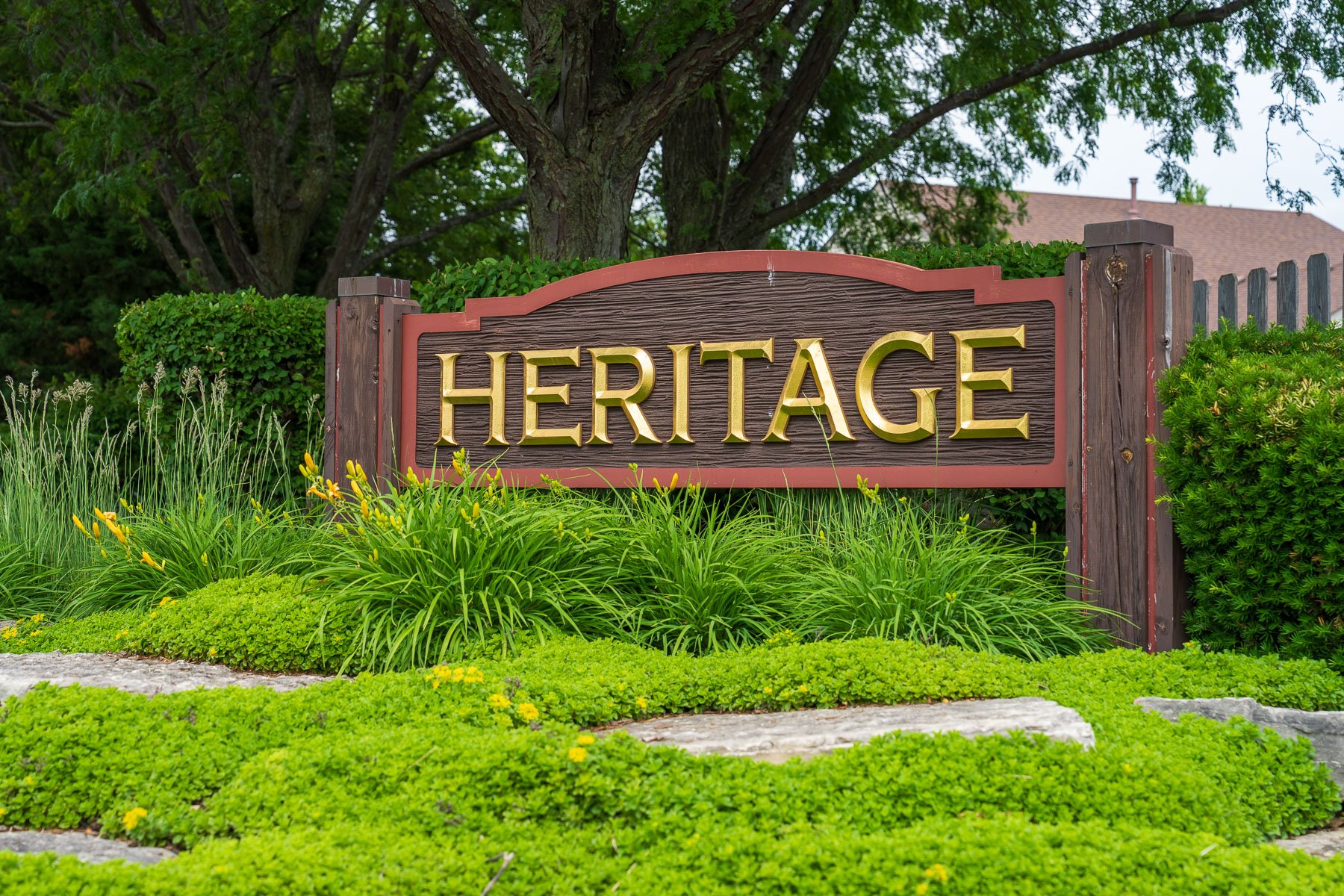
Ready to take a closer look at your landscape program? Reach out to our team for a free consultation, tell us about your property and priorities, and explore if we're the right fit for you.
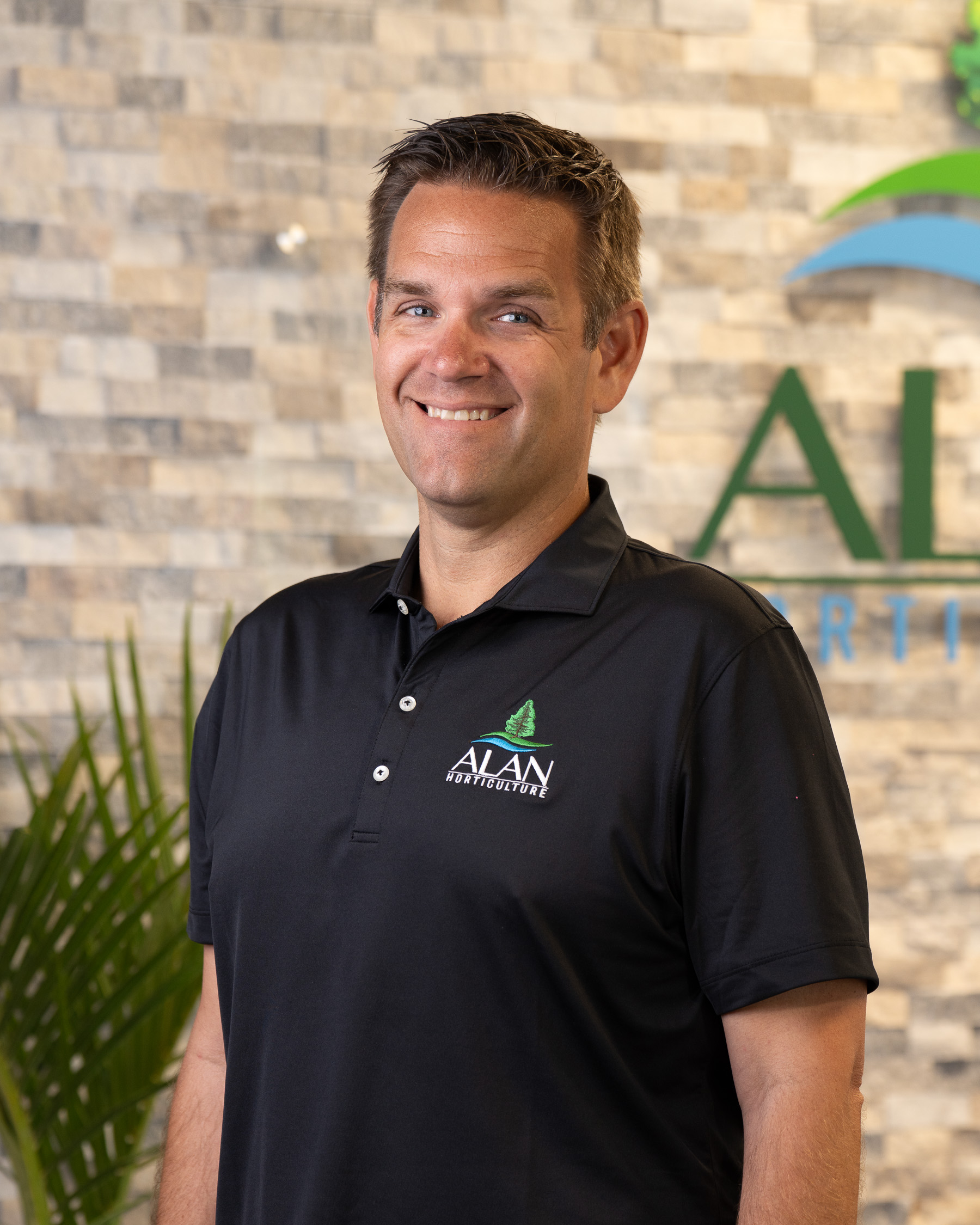
About Dan Huber
I lead Alan Horticulture and Fisher Burton, two companies dedicated to delivering exceptional commercial landscape maintenance, construction, enhancements, and snow management throughout Illinois and Southern Wisconsin.