
You have your maintenance crew on-site every week – and still, somehow, you find that your commercial property or HOA landscape never quite packs the punch you’re looking for.
If this is a recurring issue or feeling, it’s possible you’re not dealing with a maintenance issue at all.
Sometimes, there comes a point where the landscape itself has simply reached the point where maintenance can only do so much.
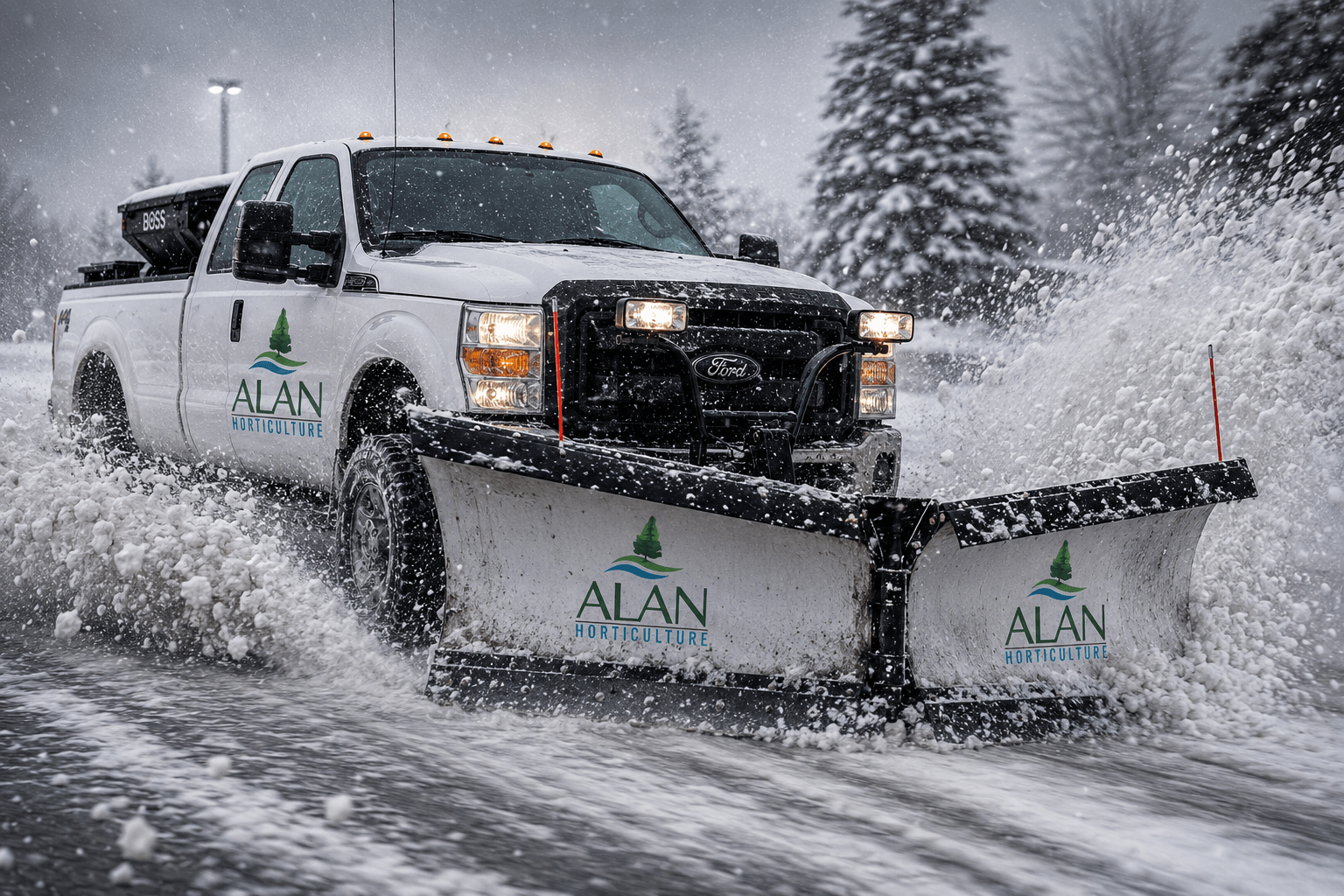
And that problem is especially common here in Chicagoland, where our landscapes have to withstand winter snow and ice, salt exposure, spring rain, summer heat, and the freeze-and-thaw cycles. All of that can take a serious toll on plants, turf, beds, and hardscapes.
That means over time, even a well-maintained property can begin to look tired, dull, or even outdated.
The important thing for property managers, HOA boards, and facility managers to recognize is that landscape maintenance and landscape improvements serve different purposes.
You need both – but sometimes, you need an improvement in place of maintenance to make the biggest change.
Maintenance keeps an existing landscape healthy, happy, and presentable. Enhancements address areas that are aging, declining, inefficient, or simply no longer meeting the property's needs. In other words, if they lack pizzazz, it’s possible that maintenance isn’t going to bring that back.
How do you know when it’s time to make that change? This blog shares all the insights and details.
Routine Maintenance vs. Landscape Renovation: What's the Difference?
Before determining whether your property needs an upgrade, it helps to understand what maintenance can, and importantly can't, accomplish for your property.
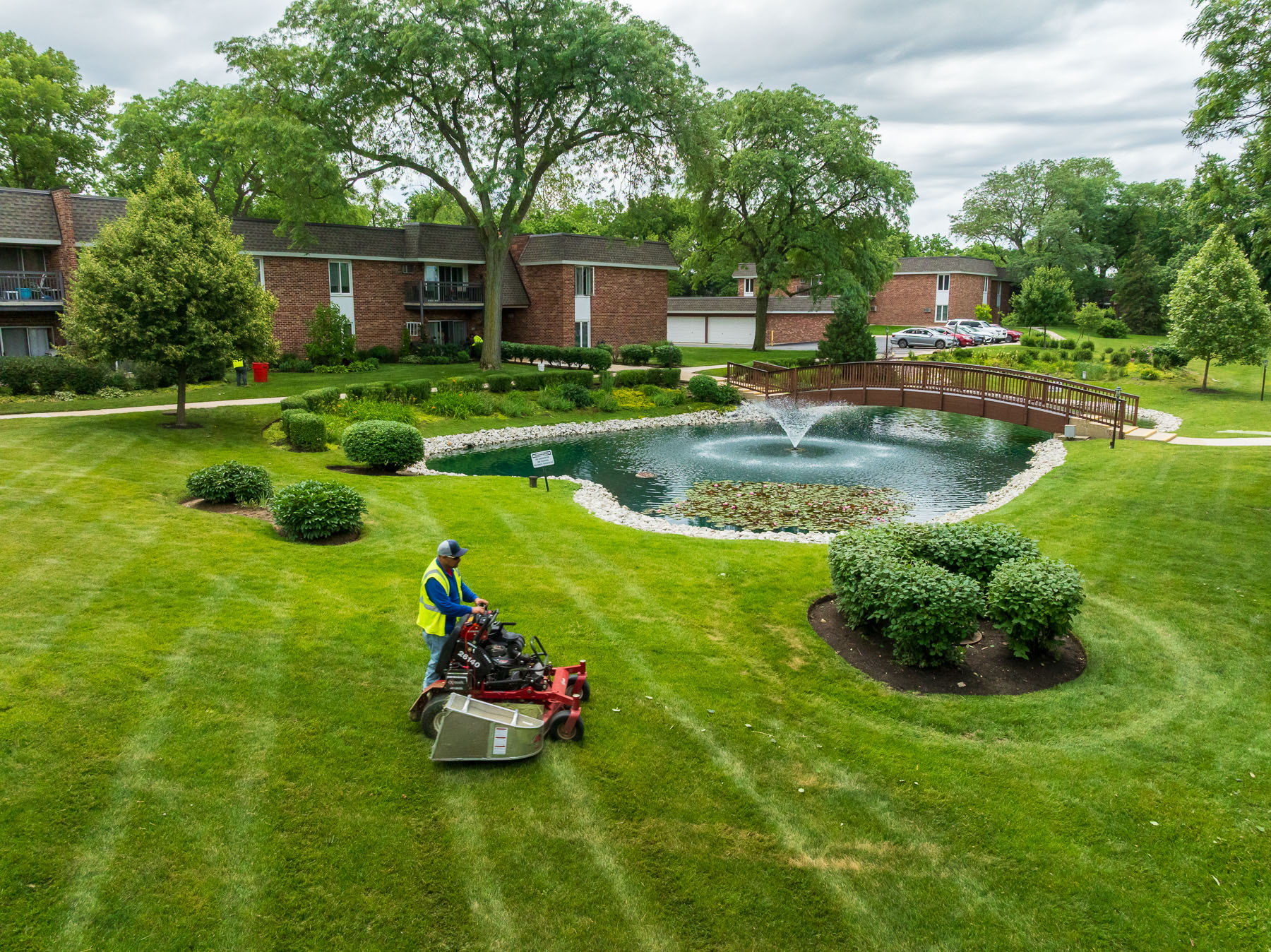
Routine landscape maintenance is all about caring for the landscape you already have in place – typically, this happens on an agreed-upon, seasonal schedule.
Depending on the property, season, and what’s spelled out in your landscape contract that can include mowing, pruning, weeding, fertilization, irrigation management, plant health care, seasonal cleanups, and other recurring services. All of these services are necessary and important, but they’re not the end-all-be-all.
Landscape renovation or enhancement, on the flip side, goes a step further. It involves changing or improving the landscape itself through projects such as:
- Replacing declining shrubs or trees
- Renovating overgrown landscape beds
- Updating outdated plantings
- Improving property entrances
- Installing new perennial or seasonal plantings
- Reworking areas with persistent drainage or irrigation issues
- Adding or replacing mulch, stone, or other landscape materials
- Improving the overall layout and functionality of a landscape
Neither approach is inherently better than the other, and truthfully they’re best when they go hand-in-hand.
The goal is to avoid spending year after year (and excess funds) maintaining a landscape that is fundamentally no longer working and needs an upgrade more than anything.
7 Signs Your Commercial or HOA Landscape Needs an Upgrade
The Same Problems Keep Rearing Their Heads
One of the clearest commercial landscape upgrade signs is frequency and repetition.
Let’s say a bed gets weeded, but it quickly becomes overgrown again. Shrubs are repeatedly pruned because they've outgrown their space. Turf is repaired in the same locations every spring. Plants are replaced one at a time, but they continue to struggle the following year.
When your maintenance team is repeatedly treating the symptoms without solving the underlying issue, it's worth stepping back and asking: Why does this keep happening?
The answer could be a variety of things – poor plant selection, an outdated landscape design, compacted soil, drainage problems, insufficient sunlight, irrigation issues. It’s even possible that your plant material has reached the end of its useful life.
At that point, an enhancement could be more cost-effective than continuing to patch the same problem that’s never really getting resolved.
Your Plant Material Is Aging or Declining
Even though it’s not something people talk about much, plants don't live forever even if they’re happy and healthy.
Even the shrubs and trees that are thriving eventually become overgrown, diseased, damaged, or simply too large for the space where they were originally planted.
If this is happening to your landscape, you might notice things like:
- Large gaps where plants have died
- Shrubs that require constant pruning
- Plants that are consistently stressed
- Uneven growth throughout a planting bed
- Outdated foundation plantings
- Trees or shrubs that are interfering with walkways, buildings, or sightlines
That doesn't necessarily mean the entire landscape needs to be dug up and replaced, but it does mean that you could benefit from strategically replacing declining plant material.
This is one of the easiest ways to make an older property look significantly fresher without requiring a complete and total renovation.
Your Entrance No Longer Has Zest
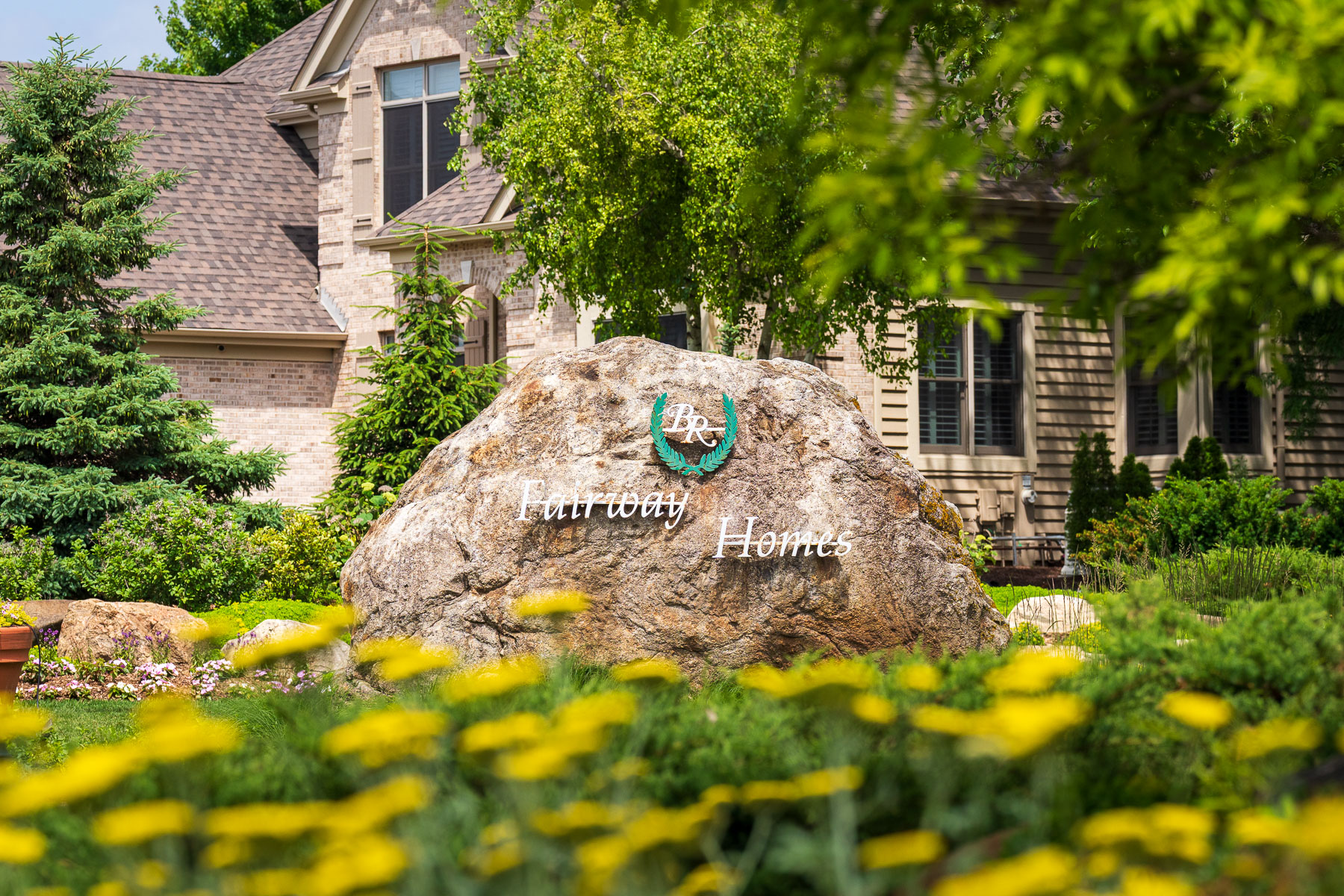
For commercial properties, an entrance is a big deal – it’s often one of the first things tenants, customers, employees, and visitors see. For an HOA, it's one of the first things prospective residents and homeowners see. No matter who we’re talking about, that first impression matters a lot.
If the entry landscape looks dated, sparse, overgrown, or neglected, it can affect the way people perceive the entire property. This is an area where a relatively focused landscape improvement can make a noticeable difference.
Refreshing an entrance bed, updating plant material, improving seasonal color, or creating a more intentional planting design can give the property a stronger first impression without requiring a property-wide renovation.
Maintenance Costs Keep Rising, But You Don’t See Better Results
This is one of the most important signs for property managers and HOA boards to watch.
If you're spending more money on maintenance but the landscape continues to decline, the answer may not be more maintenance.
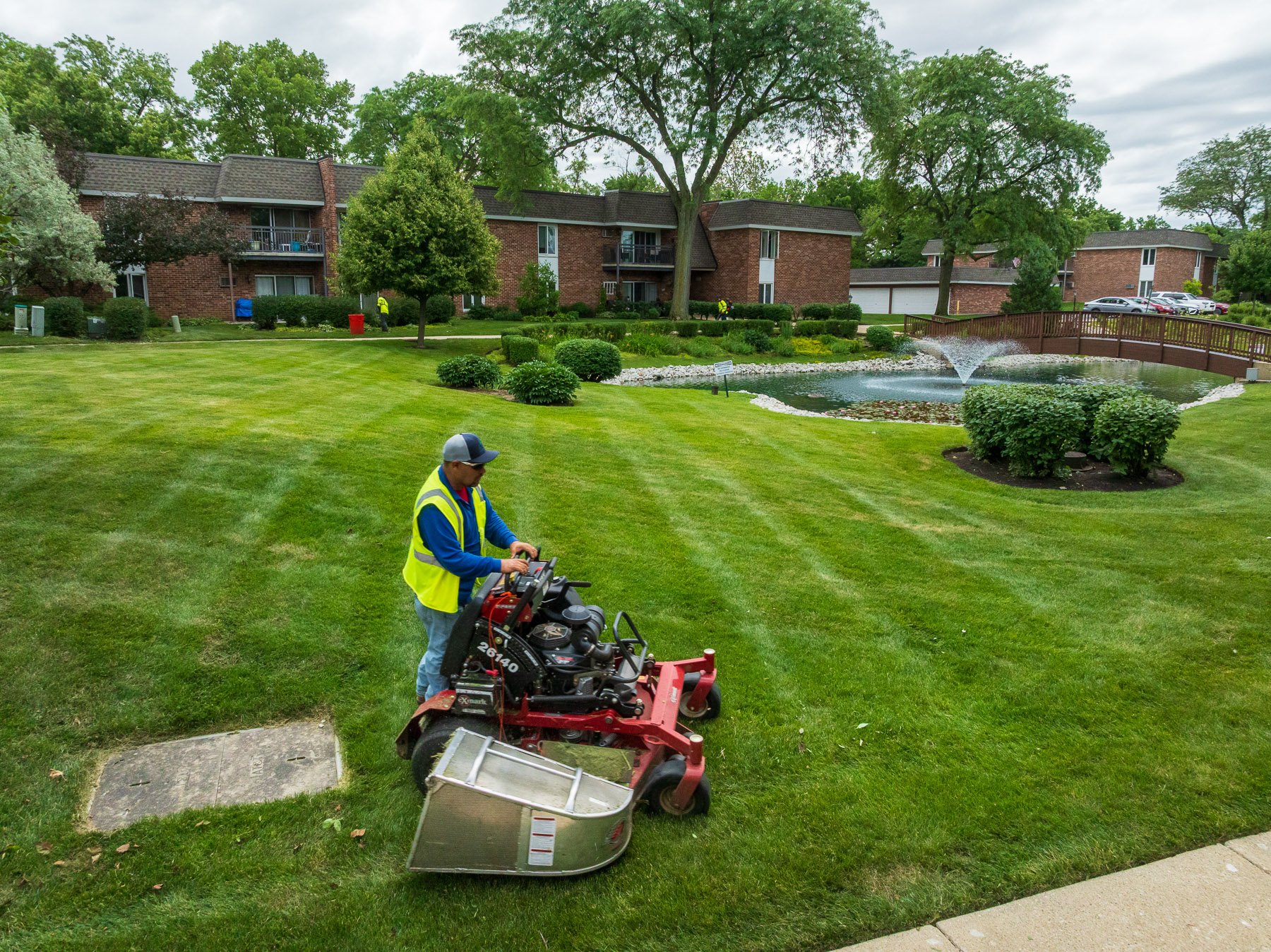
Consider an area where crews repeatedly have to prune overgrown shrubs, replace dead plants, control weeds, repair turf, or address irrigation problems.
Those individual services may be necessary, but collectively, they can become an expensive cycle. A strategic renovation can sometimes shift the property from reactive spending toward a landscape that is easier and more efficient to maintain.
The Original Landscape Design No Longer Fits the Property’s Function
Landscape is evolving all the time. (It’s living, after all). More than that, the function of the property that the landscape surrounds evolves, too.
A commercial building may have new tenants or an HOA may have new community amenities – small changes can impact how property is used over the course of 5, 10, or 15 years.
If plants obstruct visibility, crowd walkways, create maintenance challenges, or no longer complement the architecture, it may be time to rethink the design of that landscape.
A landscape enhancement could be all about bringing an older design into alignment with the property's current needs.
Winter Has Taken a Toll
Chicagoland landscapes have to work hard to make it through several cycles of winter. Think about all the elements that go hand-in-hand with this season – snow, ice, road salt, fluctuating temperatures, and repeated freeze-and-thaw cycles.
All of that can contribute to landscape damage over time.
By spring, the effects, like damaged turf and stressed shrubs, may be obvious. And while routine maintenance can address some of those issues, if a landscape is enduring repeated winter damage, a more permanent solution might be needed,
That could mean replacing vulnerable plant material, rethinking a planting bed, addressing drainage, or evaluating how salt and snow are affecting the area and making calculated changes.
Residents, Tenants, or Ownership Are Taking Notice
And not in a positive way. Often, the clearest sign that an HOA or commercial property needs a landscape improvement is simply that people are talking about it.
Maybe residents keep asking why the entrance looks dated, or tenants have commented on declining curb appeal.
That kind of attention shouldn't necessarily be viewed as complaints about your maintenance provider; instead, they might be pointing to a bigger opportunity.
When the same concern keeps coming up, bring it to your landscaping partner and ask whether the area needs better maintenance or an upgrade that could improve it altogether.
Chicagoland Landscapes Require More Than a Regular Maintenance Routine
Just like anywhere else, landscapes in Chicago aren’t a set-it-and-forget-it investment.
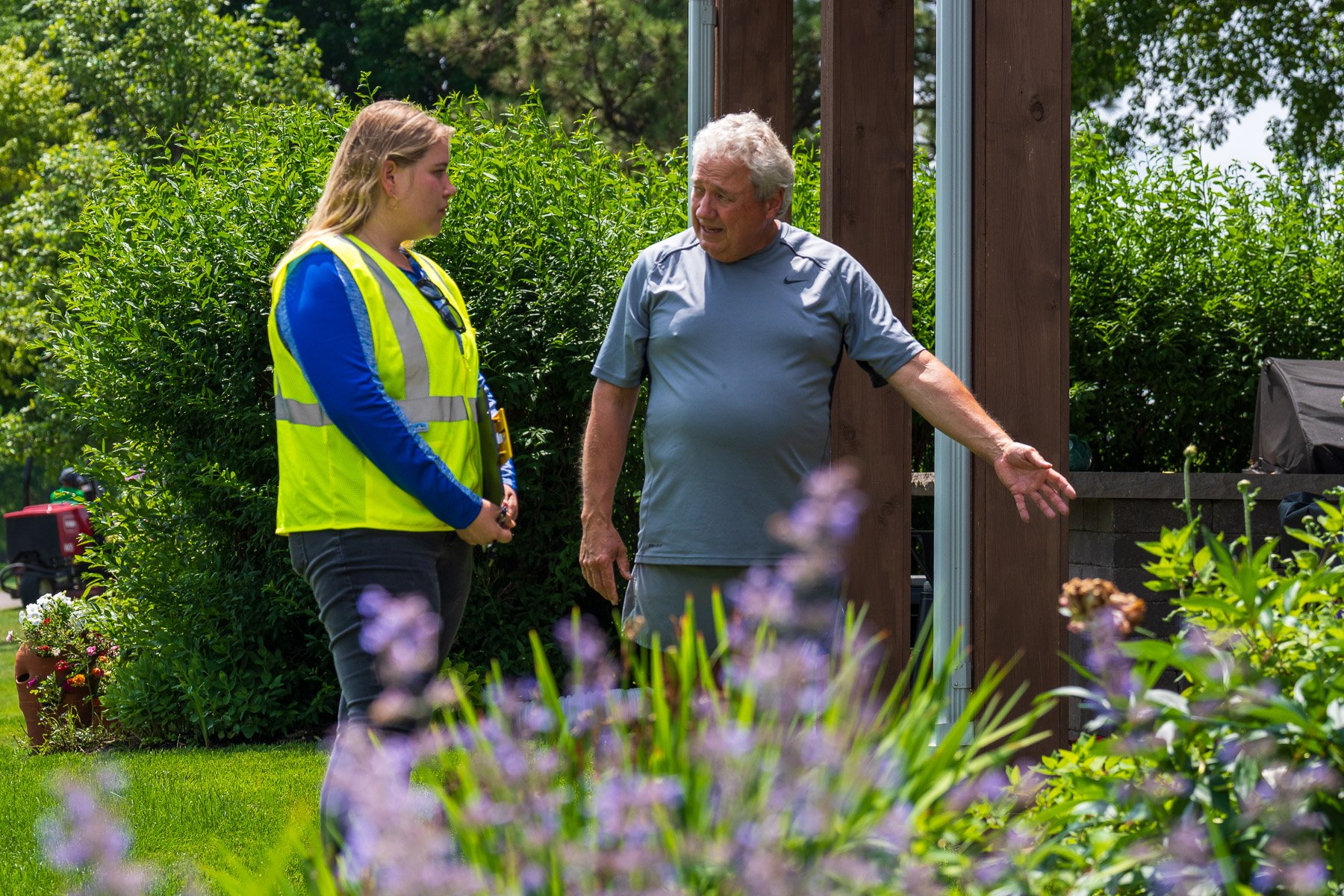
The landscape has to transition through dramatically different seasons and needs year-round attention. That means property managers shouldn't only evaluate their landscapes based on how they look in July – they need someone to examine and evaluate the full picture over the course of the year and years to come.
Examining patterns and answering questions like these is crucial:
- How did the landscape come through winter?
- Which areas struggle every spring?
- Where does irrigation perform poorly?
- Which beds look noticeably dated?
- Which areas receive frequent complaints?
These patterns can reveal where an investment in landscape improvements will have the greatest impact.
 Phased Renovation Can Make a Huge Difference
One of the biggest misconceptions about landscape renovation is that you have to tackle the entire property at once. The good news is that’s rarely true.
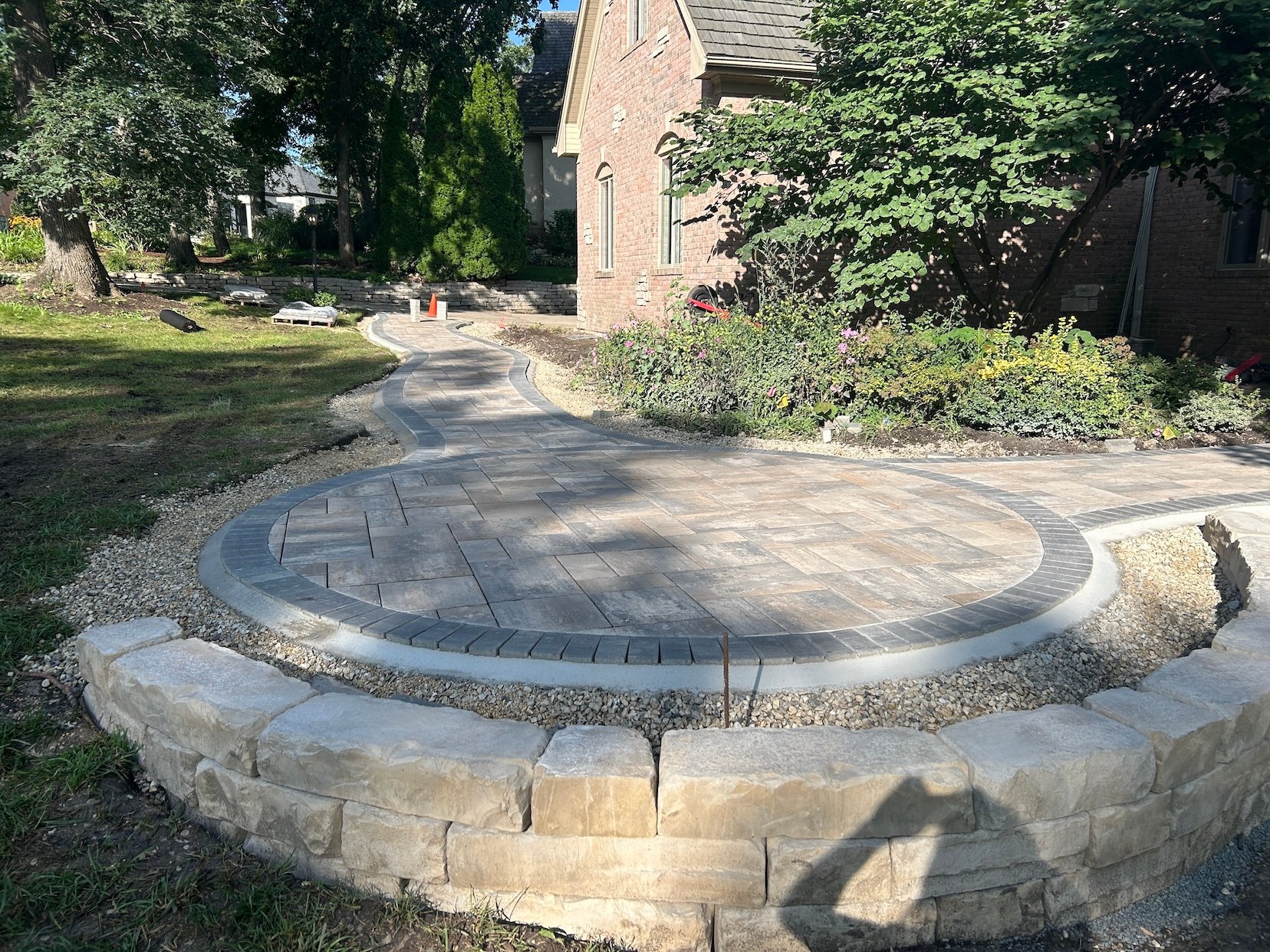
Many commercial properties and HOAs opt for phased improvements, which usually make much more sense.
We always suggest starting with the areas that have the greatest combination of visibility, maintenance demands, and deterioration.
That could look like:
- Phase 1: Refresh the main entrance and most visible landscape beds.
- Phase 2: Replace aging plant material throughout common areas.
- Phase 3: Address irrigation, drainage, or other infrastructure-related concerns.
- Phase 4: Continue improving secondary areas as the budget allows.
Obviously, that example is hypothetical. What we suggest for your property’s phased renovation will depend entirely on your goals, obstacles, budget, and needs.
A phased approach allows property managers and HOA boards to spread capital improvements over time while still making meaningful progress (and not having to break the bank for everything at once).
Commercial & HOA Landscape Upgrade FAQs
How do I know if my HOA grounds need renovation?
It’s all in the repeat issues and dated areas. Look for recurring bare areas, aging or overgrown plants, outdated entrance landscaping, repeated turf or irrigation problems, and areas that consistently generate resident complaints. Importantly, if maintenance is keeping the landscape functional but not truly improving its appearance, renovation may be worth considering. Curious how to choose an HOA landscape partner? We’ve got information readily available to assist!
Is landscape renovation more expensive than maintenance?
That’s hard to say without knowing the situation or context. Renovation requires an upfront investment while maintenance is an ongoing expense. That said, continuing to invest heavily in maintaining an inefficient or declining landscape can also become expensive over time – possibly more expensive than the upgrade would have been.
Can landscape improvements be completed in phases?
Surely. Phased improvements are often a practical approach for commercial properties and HOA communities. This works well for budget planning, seasonal challenges, and tenant convenience.
What is the difference between landscape maintenance and renovation?
Maintenance cares for the existing landscape through recurring services such as mowing, pruning, weeding, and seasonal care. Renovation changes or improves the landscape itself through plant replacement, bed renovations, design updates, irrigation improvements, and other enhancement projects.
Does Your Landscape Need More Than Maintenance? We Can Help
Instead of continuing to spend maintenance dollars addressing the same recurring problems, property managers, facility managers, and HOA boards can work with their landscaping partner to identify where targeted improvements will have the greatest long-term impact.
It’s our job to help Chicagoland commercial properties and communities take a proactive approach to landscape management. At Alan Horticulture, our goal is to help property managers and communities make informed decisions that protect the landscape investment for years to come.
Think it’s time for your landscape to receive enhancements or upgrades? We’re here to help. Contact our team to schedule a free consultation and to learn more about how we can help you with your landscape upgrade.

About Jessica Smith
Lorem ipsum dolor sit amet consectetur. Interdum id sed ipsum gravida cras purus augue. Mattis lacinia vitae enim risus dolor tristique sit sed. Tortor tellus montes nisl et eget sagittis lectus nulla. At fermentum ut suscipit aliquet.